UA-141369524-4

Ragweed Allergies – 8 Ways to Calm

Ragweed allergies and dry symptoms are becoming more relevant with climate change. It’s not just autumn or fall anymore. And while it’s dry out in my neck of the woods, it’s also humid daily. I find dew on my window in the AM. And I’m seeing how this affects my new plant.
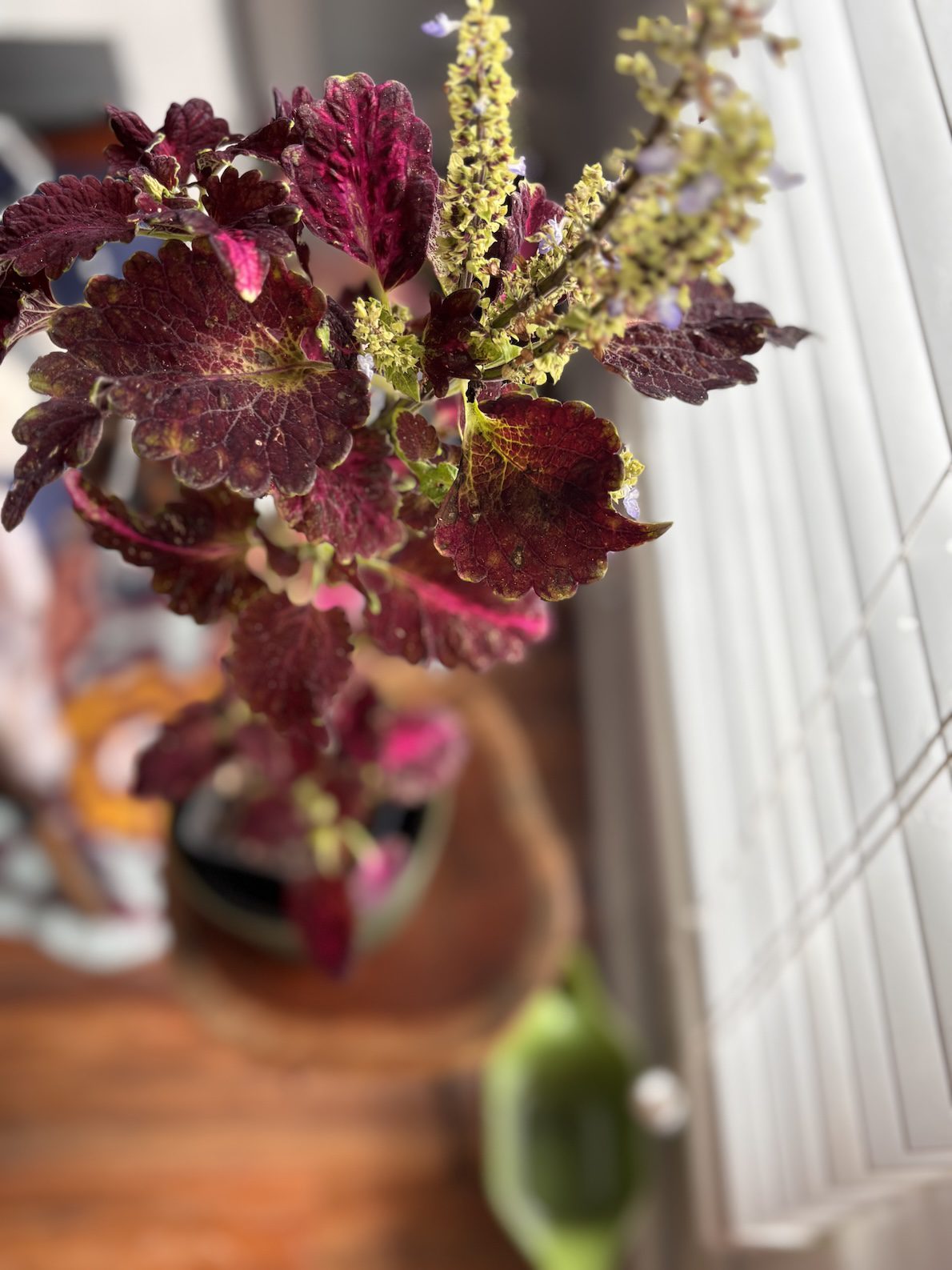
We are all part of one living ecosystem. And ragweed season affects our local environment, home, plants, and bodies.

While high humidity is breeding ground for mold toxins. And a dehumidifier would be helpful to smolder prevent.

Because being inattentive can create more chaos in the body than just ragweed allergens.

Fall season ragweed in the air causes watery, itchy and sinus-related symptoms. Ragweed allergies can be often confused for colds and flu, especially with COVID-19 that has similar and often strange symptoms.

They build up to exacerbate Vata, Pitta, and Kapha imbalances.

We’re all made of some amount of wind, fire, and earth in us that need tuning up restoring. If restoration is something you’re needing, you can take the body balance quiz for more awareness.

8 Healthy Ways to Calm Your Ragweed Allergies

1. Steam. Steam over stove with peppermint oil in a pot. Also, releasing a few drops of eucalyptus oil in the shower is good for clearing sinuses.

2. Neti pot. This is by far the best allergy invention yet! By cleaning out nasal passages with natural sea salt and (boiled or purified) water, you can prevent sinus infections. Do this every week at a minimum, but I like twice a week during allergy season (or year-round).

And a natural saline spray can help to clear out the sinuses. This is good for convenience, if you’re super stuffed up, and the neti pot scares you because you think it’ll reach your brain somehow.

Even though in truth, the nasal passage is on a different track, so the likelihood is slim.

But a natural saline spray is still a healthier way than taking daily medicine that accumulates.

And if you want to give the neti pot a try, this is what I do:

I take about 1/4-1/2 teaspoon of natural sea salt and add ½ cup of boiled water. If you’re a beginner, you may want to start with 1/4 tsp salt and you can always add a little more based on the severity of your congestion. You can also buy pre-measured saline packets.

Let the hot water cool to warm or lukewarm. I usually set the timer for 20 minutes after boiling the water for 10 to 15 minutes.

Then you take your neti pot solution and pour it into one nostril, and then the other. Streams of water will come out the opposite nostril.

And you can instantly feel better like I have felt when allergies were getting the best of my energy.

If you’re taking a shower, it’s practical to perform the neti pot regimen there. But over a sink is fine too. Just be sure to have a towel nearby, as water can still run from your nose after you’re finished.

I usually look face down to the floor into a regular or paper towel (afterward), for several seconds just to get rid of any excess water that can be delayed in dripping.

Tip: I don’t do the neti pot regimen if I’m going to a yoga class that day because Downward Dog likes to be downward dripping nose dog if ya know what I mean! 🧘🏻‍♀️ And that’s awkward dawg! 🐶

For cleaning the neti pot: use a small amount of soap as you may not remove every soap trace. There’s also probably still traces of salt sitting at the bottom of your vessel if you use a clay one like I do. Plastic is easier but not as pretty.

Salt is a natural cleaner, so you can rinse with water thoroughly and using soap cleaned fingers or a clean toothpick to remove any lingering residue (as sponges can harbor bacteria).

The time and effort you spend on your entire neti pot regimen is worth it and a TOTAL life game changer especially if you are prone to sinus infections.

You also can rid of uncomfortable tension in the face from ragweed allergy congestion.

3.Apple cider vinegar. When I take ACV, I use an eyedropper in a vial/bottle and add mixed up water with apple cider vinegar that has the “the mother” (milky substance). This is the good stuff that you should invest in for your medicine is food cabinet.

When you apply, put it to the back of my throat to protect the teeth. ACV is acidic but (counterintuitively) good for a high acidic stomach, as it stops the stomach from producing more acid.

And sometimes in the mix of allergy season, there’s chest congestion.  That’s when I will boil apple cider vinegar over the stove, and inhale the steam into my chest. This is a last resort as I don’t know about you, but I think the ACV fumes doesn’t agree for my Vata body.

But ya do what you gotta do!

I use the cheap (not organic) ACV for boiling, otherwise the good stuff is wasted.

Apple cider vinegar also helps heart burn feelings (that’s associated with acidity and often eating too much in the acidic foods categories). It’s one of Mother Nature’s gift. Maybe that’s why the super kind has the “mother.”

4.Drink green and peppermint tea. Ragweed often brings on symptoms and headaches that warm tea is good for.

Add raw honey for congestion.

Peppermint tea is good for headaches. Herbal teas are caffeine-free so they are good any time and at bedtime. They also calm stomach aches.

AND for the home, it’s a common bug deterrent.

5.Air purifier. A machine like this in your bedroom where you spend many hours, helps to clear the air some. When you’re laying down, chest congestion build ups easily.

Tip: make sure to get the HEPA level filter for allergens, molds, and spores (much smaller particles to capture than a filter for dust only) that are common during ragweed season.

6.Nettle or turmeric tea. Nettle tea doesn’t have a culinary use flavor, so you can add other tea that will add flavor. With turmeric tea, you can add black pepper that has a synergy effect with the curcumin compound that’s in turmeric.

Black pepper can help you sneeze. And that is our body’s natural mechanism to clear out some dust and pollen.

7.Menthol vitamin drops. If you have sinus pressure, menthol drops are good for the Kapha congestion symptoms and tiredness. Keeping them by your eye drops is a good reminder to take them.

Dry or irritated eyes are a common ragweed symptom.

8.Raw honey. If you find the right raw honey from local beehives, this can help a little or a lot to break up sinus and chest congestion.

It’s also an amazing moisturizer and does wonders for inflammations like itchiness. It’s an anti-bacterial.

…Maybe that helps to look at the sticky goodness and your local bees in a different way? 🐝🍯
Pollen Count Today Near Me and Spring Allergies Hope

Pollen count today near me is a report you want to take a look at if you are spring or year-round allergy prone these days. And I share tips in this article on how to manage allergies better with our constantly changing earth and where we have hope.

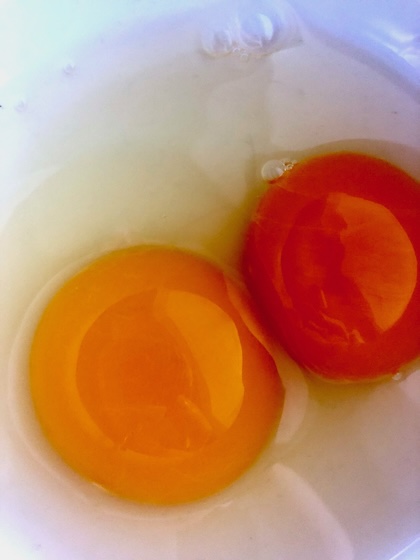
healthy pasture-raised organic eggs and the pollen count are related on our planet.
Pasture-raised, organic eggs are one of the healthy foods.

Because our beloved planet needs a restore, Amen!

If you’re like many of us, you’re feeling the effects. It’s not just seasonal allergies anymore… it’s year round allergy effects. And if you’re wondering if your new strange, non-serious, unexplainable body symptoms are related, they probably are. 🌎

They are for me too… I never had allergies before and then started feeling the effects in spring and fall from the pollen count today near me. And that gradually became winter and summer also.

DC had its highest pollen count today near me report in February that’s before the spring fever time. And why the Tidal Basin Cherry Blossoms that I grew up around bloomed earlier this year from previous years. 🌸 I remember one year where there were few blooms and I saw one tree near me.

We keep topping new records.

And this affects quality of life. You learn this quickly by observing the patterns. Like I noticed when it reaches over 70 degrees, my skin became thirsty and needs moisturizing self-care love.

By being aware, I can do something preventative.

And you can do the same with your symptoms.

There’s hope.

At one point, the rumor was that allergy effects last for 7 years.

…And in belief and hope in relief, I can attest in my case, that’s about right.

From 2015 to 2023 I felt the effects bad where I would go from my normal feeling self (no pollen allergy effects)… to whoosh my thinking mind was congested and felt like it was hit with a wind storm.

Which btw, gusty wind is not a Vata’s friend as it can knock us out of balance (especially as we already carry wind sameness properties).

Those seasons affected me in my daily activites where I couldn’t just sit outside that I used to love to do (and most of us do).

Because if I did, the next day I would pay the price, feeling out of it in a brain fog way. And I didn’t want to take a blocking histamine pill every day. I felt the blockage as… I couldn’t sneeze at all.

And as bodies adapt, these days I sneeze a lot and have a new appreciation for the self-cleansing interruption.

Likely, you or someone in your household feels the allergy effects in some way. Sometimes it’s our four-legged family members. 🐾

Below are a few survival tips to make the ride a little better until your body adjusts or you find a new way.

 …And as we wait for our world to discover new ways to restore our natural world, and change how we handle our modern world like: food agriculture, transportation, and manufacturing.

These are major areas that affect the climate crisis connected to allergies. And places that used to be disconnected from these effects, like California, are now feeling the dust.

Even though there are more trees (that primarily contribute to the green spring pollen dust), being near the mountain air feels better.

And better than in a busy city or beach that this body can attest to… or densely populated with mass transportation pollution.

Observingly, places with less people like Norway and the Adirondacks had less pollen effects.

You’d have to test out on your body… just in case you are considering relocating, those are some life-giving things to consider.

One thing you can do in the States is research what the pollen levels are and which ones bother your systems.

Tip #1: Look at the pollen count today near me reports.

So many people I’ve talked to don’t even know that this snapshot report exists.

How I use the report is: I put in my zip code and I see which days are lowest pollen count in the week that is available on the pollen phone app. The daily report can also be found on the site.

Then looking at the week, I immediately know low count days are predicted rainy days. So it’s not accurate as weather prediction is never 100% accurate (and sometimes off).

So, what you can glean from this information is that each pollen season impacted has roughly the same type, quality, and quantity of pollen every day until the pollen season shifts.

If the count is over, say 10 that’s high on any given day, then you know what to do preventatively for that season (or use the tips below to help you).

And you can take a look at what the culprits are such as elm, juniper, and maple trees these days in certain areas and what I see on my report.

Tip #2: Invest in and turn the air purifier on high. This helps significantly for spaces you spend a lot of time in like your bedroom or where you sleep, and in an office space where you work.

If you work around others, you’ll be the envy of your office mates as they get to feel the clean air effects too around you. 💨

Be sure to use HEPA filters that catch small particles like the green ones circulating around (and mold that’s more prevalent in the autumn).

I’ve had an air purifier beside me since around 2000 when it was discovered that an office I worked in had mold behind the walls. The air purifier invested in was a life saver, and I’ve never lived without one since. You appreciate close-up your healthy breathing daily in those instances.

Changing the filters and vacuuming often on schedule make a difference too in the quality of filtering you’re getting.

Tip #3: Do a weeky nasal cleanse with a neti pot, warm water, and sea salt mixture. If you battle with sinus infections often or seasonally, this is a preventative game changer.

Remember, you can’t change the air in this bubble life we live in, but you can change your effects.

That’s one thing we all knew early on in life: air quality affects quality of life.

New Generation Hope for Our Health

And we also picked up: what we knew in the past isn’t going to take us to our future. Or today’s mantra,“What got us here, won’t get us there.”

And while we’re cleaning out our sinuses, we can breathe in some good, hopeful vibes for our planet future with the kids of today, Gen Z.

Born with an innate earthly duty and social media, they may want to have a life mission to impact a fragile world that needs environmental repair. And that’s something we can be optimistically hopeful for. 🎉

…Maybe that’s your kiddos or you that’s saying “school me, please!” so something can be done about the environmental world chaos. In the meanwhile, we can bring back “act local, think global.” And that includes the foods we eat. Like eggs. Not these lawn Easter eggs. But edible eggs.

Because healthy eggs we eat are low histamine (anti-allergy) super foods loaded with vitamins that many of us can rally around, whether school or adult-age. You can make 2-minute easy poached eggs daily or celebrate eggs on occasion.

And if you get tired of eggs, maybe you can make your inspired waffles with this recipe that has a healthy twist (plus an egg 😉).

Print Recipe

easy waffle iron recipes with healthier ingredients in minutes.
Print

Easy Waffle Iron Waffle Breakfast In Minutes

This is a healthy twist to a brunch waffle that you can make at home with an easy waffle iron.
Course Breakfast
Cuisine American
Author Brandy @ Healthy Happy Life Secrets

Equipment

  • waffle iron I use a Cuisinart that I love.

Ingredients

  • 1/2 cup milk per waffle
  • 1 egg per waffle
  • 1/2 cup combined flour (use more almond flour and some AP flour for healthier waffle batter)
  • 1 tsp oil (can reduce oil of choice and use light EVOO for healthier version)
  • Greek yogurt
  • Berries (optional)

Instructions

  • Add milk of choice to bowl or Pyrex measuring glass for easy measurement and one-”bowl” mixing.
  • Add egg, flour of choice (combine almond flour and ap flour for healthy), oil.
  • Pour in waffle iron maker and cook until golden-medium brown and is easy to remove in one piece with a fork.
  • Let cool and dollop with Greek yogurt and fresh berrries.

Butternut Squash + Seasonal Allergies Tips

Butternut squash is a low histamine food that’s good for seasonal allergies.

Butternut squash is a way to low histamine to help with seasonal allergies.

Food does make a difference and you can mix in your veggies and lean into more squash with spaghetti squash.

Butternut squash is a low histamine food that good for seasonal allergies.

Often we ignore some produce foods in the grocery store, heading for the ones with marketing words and labels.

But the best seasonal foods (like butternut squash) and those for seasonal allergies don’t have ingredient labels. They don’t need them.

And they contain vitamins and minerals, and healthy food body benefits that are contained inside the food.

The PLU, color, and skin often give away what that can be.

But then there are other food benefits like low histamine that is underrated for seasonal allergies.

If seasonal allergies has got you, you’re in good company and I have a list of natural above-the-neck soothing tips below…

Before 2015, I never felt outdoor seasonal allergies living on the east coast. Now, they linger around year-round and I’ve learned to manage them… and maybe you manage yours.

Tree pollen (e.g maple, juniper, elm, oak, etc.) found in most U.S. areas is the main culprit for spring seasonal allergies that starts as early as February these days.

tree pollen cause spring seasonal allergies

Allergies are your body’s annoying, but healthy response to your immune system working. 🌱

Reducing histamine can be the difference of low congestion, itching, aches, and digestive issues.

Sneezing is the body’s natural way to rid of allergens in the body, but some congestion days that doesn’t always work.

If that’s you, you can keep a black pepper tin nearby and peppermint essential oils are good to sniff and use in your steaming shower.

Seasonal allergies are not affecting this unicorn in the pool
You have a choice to stay indoors for high allergy days which is really the most effective way to dodge seasonal allergies. Try to do your outdoor walks earlier in the day. I know that’s still a bummer. So another idea is you can jump or stay in the pool.  You may be able to pull it off like this unicorn making the most of it! 🦄

And when you’re indoors, stay further away from the open window if you’re super sensitive or keep the blinds semi-shielding.

These are 10 Tips For Seasonal Allergies:

✅ Change your clothing and take a shower as soon as you can or remember to. The steam will help you feel better faster. A night shower will help especially if your seasonal allergies feel worse in the afternoon or evening.

✅ Weekly, use a neti-pot to clean out nasal passages. This helps you get some relief naturally and prevents nasty sinus infections and your taking unnecessary antibiotics. That’s probably the best tip I can give you! Water is your friend away from pollen.

✅ Also, use a natural saline nasal spray to clear your nose as needed e.g. 2-3x per day for relief. Look for grapefruit seed extract with microbial properties that help prevent bacterial, viral, and fungal infections.

✅ Use a free-standing daily air filter machine with a HEPA filter for pollen (not just dust). Pollen kicks up in the afternoon and evening so it’s good to have the machine cranked up while you’re sleeping.

Change your house air filters as needed and vacuum the filters regularly as they will work better dust-free.

✅Use a desk humidifier or have one set in each room. Moisture like this works especially well during spring allergy season.

✅ Keep eucalyptus or mint oil essential oil drops close at hand. They work well in the steamy shower. You can put a few drops in a small vessel of water and sniff. Unlike a nasal spray, the oil drops don’t enter directly into your nose.

✅ For foods, add fresh horseradish or spicy wasabi that’s great for clearing nasal passages. Also increasing Vitamin C and bromelain helps. Pineapples are a good source.

Disappointingly, local honey doesn’t work the way that maybe you hoped it would for seasonal allergies.

Honey comes from flowers, and tree pollen comes from trees so there’s no cross-pollination… or an ex-pollinating effect that would be helpful for spring seasonal allergies.

But raw honey is a good natural sugar substitute and a natural humectant that when topically used on the skin help prevent dryness and other light skin inflammations or itches.

Honey also has other “anti” properties that are good for you… antioxidant, anti-bacterial, and anti-fungal.

✅ Keep up your vitamins and minerals, especially Vit C, D-3, Calcium, Zinc, etc. Butternut squash is loaded with Vitamin C and A. And a tropical fruit smoothie is a great way to help soothe seasonal allergy symptoms.

✅ Drink teas. You can try a good green matcha tea or black tea (Vata preference) early in the day and then switch to decaf/herbal teas in the afternoon. You can do decaf all day if you prefer.

✅ Keep eye drops close by for dry eyes. You can wear blue-light-blocking glasses, so you don’t have to strain on devices that worsen dry eyes (and they help you sleep better).

✅ Keep cough drops nearby, in case you get a dry or itch in your throat. And menthol cough drops help to open up passages.

Seasonal allergies don’t have to be the daily annoyance that runs your life. You can have a much smoother season if you stay informed.

✅ And finally, bring in more healthy anti-histamine foods such as bell peppers, squashes, and eggs. You can incorporate a butternut squash spaghetti recipe that you can blend with regular egg pasta or spaghetti squash. 🍝

For more weekly healthy tips, visit healthyhappylifesecrets.com

Print

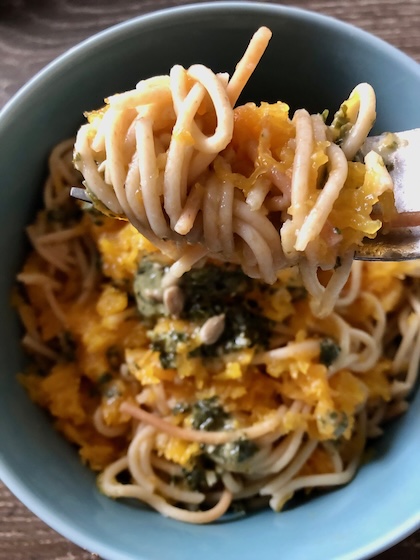
Butternut Squash Spaghetti

Butternut squash is an anti-inflammatory food and easy to add to your savory meals like a spaghetti dish.
Course lunch
Cuisine American
Author Brandy @ Healthy Happy Life Secrets

Ingredients

  • 1 box spaghetti, whole wheat or spaghetti squash
  • 1 butternut squash
  • basil leaves or pesto sauce (optional)

Instructions

  • Cook (or bake) your spaghetti or spaghetti squash.
  • Cook your butternut squash to soft.
  • Mix with your spaghetti.
  • Add a basil or pesto sauce (basil and olive oil) to enhance (optional).


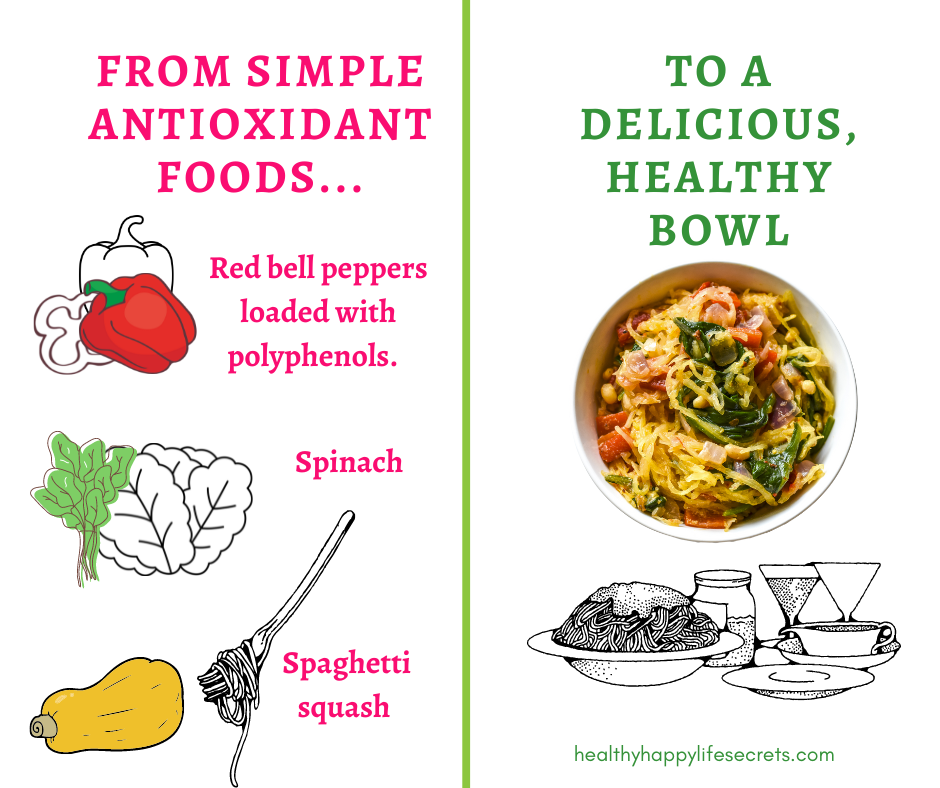
Spaghetti Squash – Anti-Inflammatory Food Dish

Spaghetti squash is an anti-inflammatory food. And if you’re trying to stay away from gluten or inflammatory foods for healthy eating, then squashes fit the bill. Spaghetti squash can even take the place of spaghetti carbs.

Spaghetti squash is a good gluten-free and allergy bowl substitute.
Make this spaghetti squash bowl easy from the recipe steps below 🍝

It also has more fiber. And you can count on A, B, and C vitamins.

Both vitamins A and C are antioxidants that help to protect against chronic diseases that can develop from chronic inflammation.

And your allergies and eczema skin symptoms can be telltale. It doesn’t always have to be an internal diagnosis as inflammatory warning signs.

I learned this firsthand when I experienced adult eczema in a nightmarish way during the world pandemic. It was a 3 month saga I’d love to forget. But then ended up in the hospital emergency room a year later for a related episode that had to do with food eating habits.

Before then, I knew common allergy foods from the outside as I planned parties and food menus working with thousands of groups with known food allergies and gluten sensitivities.

Gluten flour was a red flag for the chef foods prepared and I’d add a special label to food items on food tables that were gluten-free

For my preventing eczema better food habits, white flour and white table sugar are ingredients I try to use less of in my recipes and low-sugar desserts. That seems to do the trick (along with skin moisturizing often)!

Gluten free flours is more healthy.
Choosing gluten free flours for pasta is more healthy for most people and those with allergies.

Because white table sugar is a primary inflammatory food source. It raises blood sugar.

That’s probably no surprise as too much sugar can make your skin crawl (itch) and no research (other than asking your sweet taste buds 😋) has sanely suggested that sugar is good for you.

But that’s hard news to swallow when you’re a sweet tooth (and a Vata body like me).

But I’m happy to say that even though I love baking (and do it weekly), I’ve learned how to bake healthy and keep eczema at bay. And yes make bakes that are sweet tooth satisfying (otherwise why bother?).

…Boring rice crackers are not my cup of tea. I’m looking for the sweet childhood desserts I remember that leave no inflammatory memory.

Because I’m a foodie…

And when I started in catering management for upscale hotel chains, there was only a vegetarian menu option outside of what others ate.

Then common requests grew like “hold the onions” and “hold the garlic.”

And peanut and nut allergies cropped up.

When I dug deeper into creating menus for food allergy group requests, we found that guests who had some peanut allergies could sometimes eat tree nuts like pine nuts.

They even reported back they liked certain dishes with them.

And shellfish can be another tricky allergy area, but gratefully I didn’t work much with those foods.

An affected person who has even a trace of the shellfish can experience a life threatening allergic reaction called anaphylaxis shock. Like gluten to Celiac disease people, it can be a real issue.

Your body gives different health conditions signs as warning. But a warning is a warning..

And in my trial-and-error food tasting experiences, I learned eczema was dramatically reduced with low daily refined sugar intake and reducing processed white flours.

Honey and gluten-free flours seem fine.

So substituting food ingredients became my way. And I remembered spaghetti squash from my catering days.

Plus, adding more anti-inflammatory eat-from-the-rainbow foods including vegetables, whole fruits, lean healthy proteins, healthy fats and whole grains.

All grains like flours are not created equal. How they are prepared and the details of their ingredient profiles change their effect.

A frequently asked question is: what foods are high in gluten?

The answer: whole grains are healthy. They’re also guilty. 

Wheat, barley, and rye are the sources.

Being smart about healthier low-glycemic index starchy carbs and nutrient-dense foods pays off.

Also corn, oats, and quinoa (pseudo-grain) meals are good ideas since they are naturally gluten-free.

Corn is actually the largest agricultural crop produced in the United States.

But what spikes the blood sugar of one person is different for another person in our biodiversity.

Testing food and exposing yourself to a variety of healthy foods helps the body function as you get more vitamins, minerals, and anti-inflammatory nutrition.

Adding more organic plant-based 🌱 in nature when possible, and less plant based (factory) foods 🏭 help your entire body system run better.

Every little bit of our effort counts…

And adding more healthy food variety, and nutrient-dense plant-forward foods is a double-win, scoring points for our bodies and our earth. 🌍

Small switches can be as easy as exchanging pasta made from flour for a spaghetti squash bowl (steps below).

Also, focus on anti-inflammatory foods and include a Mediterranean Diet or Mediterranean-style diet. Many of the foods are found in both diets. Like spaghetti squash would be acceptable on both diets.

Changing your habits like a regular sweet one for a plant-based breakfast is doable. I’m living proof. 😊

And I take another page from my catering days where Crudite was a platter offered at almost every event.

That’s basically raw veggies like cauliflower, carrots, broccoli, and asparagus.

Those are good sources of fiber that your body needs to better absorb foods.

We often forget about the fiber as we’ve been primed to think of the macros (protein, carbs, and fat).

Instead of sodas, I opt for a healthy beverage or smoothie that is made from foods with high fiber.

That could be your start. And you can look forward to your baked in gourd spaghetti squash.

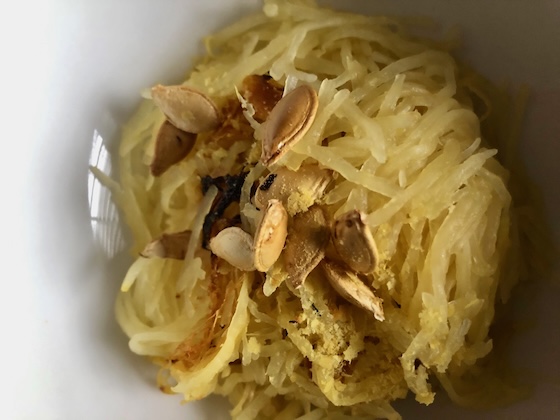
spaghetti squash dish.
Print

Spaghetti Squash (Gluten-Free) and Roasted Seeds

I discovered spaghetti squash as a meal substitute when vegetarians requested special meals when I was working in hotel catering planning. It's an easy anti-inflammatory food bowl or dish to prepare.
Course dinner, lunch
Cuisine American
Total Time 1 hour 10 minutes
Author Brandy @ Healthy Happy Life Secrets

Equipment

  • Bread knife or safer sawing knife.
  • Spoon

Ingredients

  • spaghetti squash gourd
  • extra virgin olive oil (EVOO)

Instructions

  • Score the gourd lengthwise. do not try to cut the hard gourd raw 
  • Bake your spaghetti squash for about 20 minutes at 350°F or so. Then softened, you can cut where you scored. Tip: for the ends (like on pumpkins, take the firmly planted inside squash knife and twist to the right at the top and then at the bottom of the squash and that should do the trick break it open fully into two halves)
  • Face the two halves down on a baking sheet. You can add a ‘lil EVOO if you like.
  • Bake for 50 minutes or until you can scoop out strands easily with a spoon. You can test with a fork if you like. About half way through, when you see browning, flip the halves so they're facing up, and add a 'lil more EVOO drizzle.
  • Optional: keep the healthy seeds and enjoy them as snacks! Roast them along when you're baking the squash.


Winter Allergies – 11 Tips + Celestial Seasonings Tea


Winter allergies are the worse. I don’t remember them growing up.

But these climate change days, they are common for many like myself.

This or every winter, you may feel like you have cotton stuffed up your nose, head, face, or even in your ears. Allergies and winter allergies especially are no fun.

You may even get annoying chest congestion, that starts when you wake up and then once you get going, annoyingly disrupts an otherwise good day.

This article is all about what you can do to have a better winter season, facing winter allergies. Read all 11 tips, as they’re all golden to keep you fit and healthy.

Dryness aggravates allergies, so here are some simple moisture tips:

1. Invest in a small humidifier for every room or place you spend time in.

If you’re a Vata, then dryness is something you face regularly, literally on your face (or scalp), and probably on your cracking hands and sandpaper feet. Winter only aggravates dryness. You need a daily winterizing self-care regimen.

You may find yourself wanting to moisturize your rougher face more often.  Or do glycolic exfoliation, and facial mask pampering.  I have my favorites, but this article is about allergies, so I’ll try to stay on topic 😊

Keeping your body moist with non-fancy products such as Eucerin lotion and pure aloe (clear or Kermit frog green), will help. Every little tidbit helps to keep you calm and your winter allergies, tame.

When I was growing up, humidifiers were these relatively expensive, bulky, and loud machines that took up floor space. And if you’re a decorator, there was no way to dress up the eyesore.

Nowadays you can buy a sleek, inexpensive humidifier at your favorite variety or everything stores like Marshall’s or Home Goods. Table humidifiers are usually less than $20 and if cleaned regularly, you can use them year after year.  Many table humidifiers have glowing neon changing color lights that you can turn on for fun and add cool brightness to your day… we all need that!

You can complement a running humidifier with a Vicks Vapor Rub, that contains camphor, menthol, and eucalyptus. I like that it can open up your nasal passages and wake up a Kapha imbalance if you gently sniff. As the name implies, it’s meant to be rubbed on your skin, and so can help chest congestion

For winter allergies/chest congestion:

2. Apple Cider Vinegar (ACV) steaming before you shower. You can do this over a pot on the stove. This is the best thing for chest congestion (coughing up mucus), or if you feel a heaviness to your chest that seems to come on when the weather starts to cool.

Take apple cider vinegar and boil/steam with a water mixture. Inhale and exhale through your mouth so you can deliver directly to your chest. Add more water in the beginning as the vinegar can have a stinging feeling.  Then you know that you’re doing something good.

I recommend doing this before you take a shower, as the apple cider vinegar has a strong odor, that can linger on you and your clothes, and be repulsive to a sensitive Vata.

Thankfully it’s easily washed off by taking a shower. If you are highly congested, performing this practice once or twice per day is good. You want to nip it in the bud, so your chest congestion goes away after a few days. It may come back, but then you may only have to perform weekly or bi-weekly. The longer you let it go on, the longer it stays.

I don’t use the good ACV for steaming, as it will be wasted in evaporation. If you only have the expensive or organic ACV, with the mother (the good milky stuff) that’s good for ingestion, just don’t shake up the ACV bottle, and let the mother stay on the bottom.

Keep doing the other ACV tips and neti pot regimens recommended for fall allergies and ragweed allergiesContinue reading “Winter Allergies – 11 Tips + Celestial Seasonings Tea”