UA-141369524-4

Wellness Habits Without a Calendar + Healthy Chicken and Waffles Recipe

Wellness morning routines are not easy when you live a busy Western lifestyle.

Cramming in a few minutes to eat healthy, do yoga and get some re-centering quiet time is not usually the routine unless you get up super early as trade off for sleep or staying up late.

I’m exhausted already when I hear how hard charging some people are in their season descriptions… and then I quickly remember that was my life not too long ago when I worked in the corporate world 40+ hours a week and had side hustles.

If you’re of a Vata mind, a structured wellness routine can be challenging as the mind fights against set consistent routines when a routine is what’s needed most. …And heavy Vata minds can’t sit still as obvious signs.

If you carry a Vata mind (that any of us can), you can easily tire from to-do tasks like opening up or pulling out your calendar every day or several times a day. Those simple, but mundane types of activities can be draining.

…Today, living daily aware now years later from what was filtered or partial conscious life, I personally don’t do life without daily checking in on my balanced-imbalanced moods and well… wellness.

Your moods show you what’s going on inside. Your mind-body is intuitive, so it serves you the truth and gives you the information about what you need to restore your health. And, restoring sour moods back to happy and neutral is one way to accomplish more daily.

We all can get affected by external factors that can put us in daily moods. That makes us human. But moods can create more disruption than an external interruption, so it’s better to manage ASAP to nip sour moods in the bud.

As a quick scan, as long as you feel good for stretches of daily moments, and about what you’re doing, you’re probably in good shape. Or you know how to bounce back quickly, so that doesn’t become your season longer than it has to.

One routine I changed up to avoid uninspired moods, is I gave up working on a calendar that I used to color code as a planner. I found better systems that worked for me. And that’s something you can consider for yourself…

To Have A Working Calendar (Or Not?)

On purpose, I avoid having a working calendar these days (and the past few years) as they distract from my productivity.

I do work on other people’s Google and Outlook calendars, but not my own. I’m sure you have examples in your life where you do things differently for yourself than others. I do a much better job and follow through, managing other people’s stuff, as I want to help and serve them the best I can. That helps to keep the balance.

But I found that as pretty colors as my own rainbow calendar looked, I was following it when I didn’t have to. And that was not helpful! So I had to come up with a better way. 🌈

Plus, I also did professional catering management for many years, and all I did was rely on and live off of a calendar religiously year-round, knowing and planning other people’s event dates. And at times, an unhealthy task holding onto dates as though my life depended on it.

So, these days I like to be less reliant on a calendar. If you’re wondering how to live or wean yourself off of a calendar if that’s your want, here are some ideas (and what I do)…

First, I created slightly different weekly goals for each day of the week. And I have deadlines for different tasks on each day, no matter how small.

The thing is, if you don’t apply what it is you’re doing to something meaningful, it becomes meaningless.

On purpose, we’re meant to teach, share, encourage, and use whatever gifts we have, or we lose them. And when we USE them, we get more, and some we may not know we have (e.g. hidden talents) until we get there.

You discover the next talent once you start and develop the first talent. Then you’re ready for more!

And I found calendars got in the way of that as I spent time managing them when I could be working on a talent without working within boxes if you know what I mean.

Like these waffles that can be made healthy, and btw a waffle iron is one of my favorite ways to ease into a weekend with a homemade weekend brunch.

Healthy chicken and waffle recipe below. 🧇

We all have our special preferences. ❤️

And to make life easy, when I was getting used to the habit of different daily tasks, I set up specific reminders. I’ve learned to let it be easy with no self-imposed struggles or habits. And that takes observation and not being too busy to notice.

It’s also useful to know what day of the week you’re on as the world runs on this time. And if different night TV shows are how you keep it straight, hey that works! 📺

To capture the best of your creative and productive time, find the balance that works for you and where you feel relevant and making good strides. That’s all part of the good wellness journey.

And I found that bi-weekly appointments and schedules can mess that up. So keeping it weekly simple works! 🗓

From experience, I know that building any kind of complicated system is a recipe for disaster in life. 😒

It can build a house of cards that will eventually crumble as there’s too much to manage when the enjoyment factor can disappear one day.  Some of the excitement wears off of newness (it always does!).

That’s where the overwhelm and reality feelings can creep in, and easier when you keep it simple from the start.

And after taking a sabbatical in 2016, I realized that sometimes your calendars don’t open up,  or they disappear, and then you waste more time trying to backtrack. That’s when I took the hint as a sign, tossed out the calendar and lists, and figured out a more reliable way.

And a way to go digital calendar-less AND paperless.

And to add the internal clock reminders back in… what people in the past probably did before paper was invented.

If you live spirit-led and wellness bound, it’s easier to go to simple ways where you discover your natural internal compass that you learn to trust over time.

And today, you can use digital reminders like alerts or notifications as a backup plan. Those are like a trampoline that ensures you bounce back without falling.

In this way, I haven’t missed a Zoom meeting yet when we were all doing Zoom calls, because my internal clock is wired to the energy around that activity, even if it’s just a one-time event.

And if you’re in a season or work environment where a calendar is expected of you, then you can still do this.

You could go hybrid… using a personal calendar when you have to, and then relaxing the policy when you don’t. 😎

Testing out ways that work for you is a good change to find out what is reliable and helpful for your life now if you want better outcomes, or to improve your life and wellness.

Having been at many jobs, in my wellness balance journey, I realize that none of the tasks are all that significant in the grand scheme of things.

…When you leave a job, you leave the calendar behind. Plus, the next person in your shoes (that you may even train) has their preferred way.

And, the last day of work ends the calendar work cold turkey, and your next day is like the calendar didn’t exist. And then you’re off to your next venture and bigger and brighter things.

When you do this work transition enough times, re-inventing yourself and pivoting, you get the pattern.

You can also can get a-ha’s about your specific past getting you to where you are today. And letting you become who you are today. You can keep moving forward and quicker if you want.

So on that note, I wanted to share 5 quick morning wellness habit stacks that I’ve found useful this season (that may be useful for you).

Habit # 1: Keeping same waking up hours every day even on weekends or days when you don’t have to be somewhere.

This could be what you do today… but also adding a few minutes of intentions time is good for a wellness practice so you’re not just running in the morning.

Intentions could be about what you want from this life, so you can head in that direction and work ON your life, and not just in it.

In the morning, you have the most mind-awakened energy and that can be with or without caffeine.

And you never know what the rest of the day will bring that can change your productivity, moods, or stress level.

Getting up early has a lot to do with the way you’re naturally wired, your environment, and your habits.

Irregular sleep is common with Vata’s (…you too?). In that case, you could challenge yourself to get up earlier than you’re comfortable with, but where you get enough regular 7-8 hours of healthy rest.

Keeping the same getting up hours can calm your Vata. It’s one routine where the instructions are simple.

You can get motivated to naturally get up earlier if you go to bed earlier and if you change up some of your habits like allowing yourself one entertainment show, instead of watching until you’re bored 😊.

Habit # 2: I first drink water and warm water or ginger tea as a primer to get the body running.

And then I work in a preferred green banana, quinoa cereal, lentils, oatmeal, Greek yogurt, OR a fruit smoothie. I mix it up. I may even choose a few from the list.

And then I’m ready for a cuppa joe.

I drink low acidic organic cold brew that I homebrew and drink black or with almond milk (extra calcium) and dilute the acidity further… I don’t have a fancy java machine on purpose.☕️

And my coffee rule is:  I don’t drink coffee past 12 noon (…that’s easier than counting cups) or on an empty stomach. This helps with habit #1.

…Oh, and I started coffee late in life, so I’m OK to quit early in the day.

Habit # 3: Ab crunches and yoga wellness

Last time, I talked about losing weight that’s often one struggle aspect of a Kapha imbalance.

And one way I’ve figured out how to incorporate an exercise habit is, I’ve been doing an abdominal crunch challenge (…that may be something to try).

It gets easier as the weeks go by than the first week when it can be a struggle to peel yourself off the mat. But don’t give up!…

In the beginning, all the torso area fat can appear to move to the gut center. But don’t be fooled by the looks as that will eventually turn to muscle if you keep at it. That’s what I plan to do 50 ab crunches per day later. (And if that’s not what you notice if you try, good for you. It doesn’t have to be hard and preferably it’s easy).

The benefit is: strong abs allow your back to strengthen, and each vertebra becomes more flexible. You can roll up more easily like a roly-poly bug (…remember those? I don’t see those around anymore).

And if you start these now (or you take a pilates class), you’ll be better off in your golden years especially when bones get weaker despite the increased calcium and magnesium you may intake.

Falls for women and men are common accidents for seniors. So maybe that gives you a little motivational edge today to start today.

Ab work keeps me grounded, literally. And then while I’m there, I do yoga and exercises. You actually wake up and get happier faster as your endorphins kick in. And you feel more clear-headed because of this, and get excited about your day if that’s what you need this season. That’s well-rounded wellness.

You can get your daily re-centering done on the mat as well. My mat says, “you got this” that’s still my mantra.

Habit # 4: Have a reward activity (or two).

Towards the weekend, I healthy bake in the mornings as part of my wellness routine. This is a reward for me if I’ve met my deadlines earlier in the week. I always have recipes lined up and ingredients on hand, so that’s where the relaxing part comes in. No stress baking.

Another reward is I watch a show for an hour. Usually cooking shows (no surprise there!). One I’m enjoying is about pizzaiolos around the world who’ve opened up wood fire oven pizza parlors. 🍕

Having worked in a pizza shop, I can tell you it’s a lot of fun and one of the easiest bakes to make that brings smiles to faces, young and old.

Habit # 5: Then about an hour after waking up, I start my work that includes the unique daily task goals where I don’t need a calendar (that I mentioned earlier).

I used to reserve the morning for writing because that’s when I could get in my writing zone. But I realized after a couple of years into writing, I can pretty much do it anytime with the same result, as I’ve built up the writing muscles. 💪

And if I had to crank out a quality book in a week, I believe I could. That’s just practice.

And that’s one reason why I think it’s good for anyone to start a daily practice for their creativity and to discover their talents. If you need a quiet environment, a walk-in closet is a good space.

Also, one of the best investments you can make is having an air purifier, not just for the obvious use of better air, but also to cut out distractions with the white noise. And when you’re ready to go to sleep, it’ll help you get good rest and start all over again the next morning. 🌅

And starting with chicken and whole wheat waffles could be protein energy you need to power through your day.
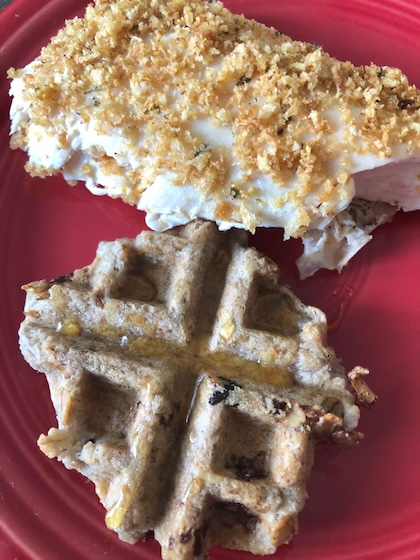
chicken and waffle iron recipes.
Print

Healthy Chicken and Waffles

For Southern-style brunches, this is a common dish that you can make super healthy and get your daily protein points.
Course brunch
Cuisine American, southern
Author Brandy @ Healthy Happy Life Secrets

Ingredients

  • chicken breast
  • apple cider vinegar (with the mother)
  • bread crumbs

Instructions

  • Cook chicken breast. Bake on 350°F until chicken is safely 165°F cooked or higher. This usually takes 45-55 minutes depending on chicken thickness and oven placement. For a whole chicken, follow the instructions on the packaging that can be 1.5-2 hours for a small chicken. Check 165°F temperature to be sure.
  • Add apple cider vinegar to cooked chicken. I use an eyedropper but you can use any method that works for you such as dipping chicken in a bowl of ACV.
  • Toast panko crumbs and stick to ACV dipped chicken. Alternatively if you want to be super healthy, you can crush sunflower seeds or nuts.
  • Add any spices you would like (e.g. oregano, thyme, black pepper, cayenne for a hot kick, etc.).
Kapha Metabolism and Losing Weight Optimization

Kapha metabolism is one of the barriers to losing weight. This  article explains why and what you can do.


Which btw, we all have these imbalanced needs (Kapha metabolism, Vata anxiety, and Pitta irritated moods for example) from time to time, if not all the time, as we are made of all the earth, wind, and fire elements.

That’s how I like to describe it anyway.

First things first…

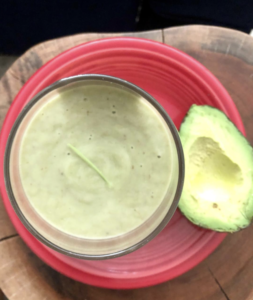
An avocado smoothie is in tall order to bring me back to my usual routine… and maybe good inspo for you and your healthy living. This is a great way to break a fast or start your breakfast.

kapha metabolism avocado smoothie drink
deliciously healthy avocado smoothie 🥑

I needed it because last week I was moving (and why you may have missed me last week).

EASY is what we all need more of! One thing that’s never easy is moving that I just did but necessary to reach a new destination in life.

Let me just say, if you’re planning to move, try to avoid the summer when everyone else is moving! Spare yourself the hassle and do it earlier or later in the year.

So to bring me back to this week’s calm, and to please my Vata palate, cool down my Pitta,

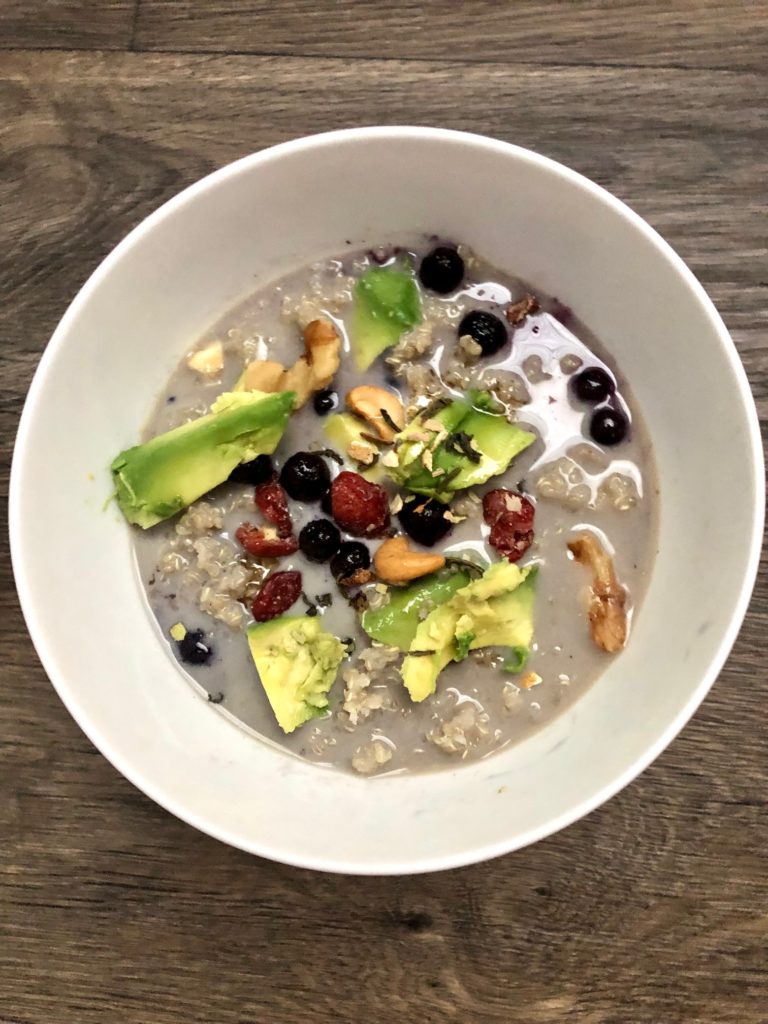
AND wake up my Kapha, I took it one step further with an inspirational in-between summer and fall season inspiring quinoa morning bowl that’s loaded with plant-based goodness (great for burning calories and Kapha metabolism).

I recommend this for everyone and anyone looking for anti-inflammatory eating lifestyle ideas! 🫐

Avocado, blueberries, dried papaya, cranberries, walnuts, bananas, and organic quinoa 🥣

…And just to catch us up here… last time I talked about Vata body needs, and before that I posted a summer series that included baking yoga, travel yoga, and chair yoga moves. I’d recommend all these stretch moves year-round.

Because if it ain’t broke, it can be restored with yoga that you can do at home… and I wish I learned this sooner! I can’t say enough about yoga, but will keep it hush-hush this time to focus on the Kapha losing weight topic at hand.

It’s funny this week… I ended up making homemade pretzels. 🥨 Below is a recipe for sourdough pretzels that I fell in love with growing up with Pennsylvania Dutch pretzels. We had jumbo soft pretzels in the school cafeteria I got excited about and maybe you love those too!

Bonus points are gained 💕 when healthy foods taste good PLUS have body health benefits. Like, Himalayan sea salt is known for its detoxifying properties, and you’ve probably seen or heard of the large crystal lamps or sea salt spa rooms.

We all want to feel more energetic, lighter, and healthier. And cutting down on sugar is another way (and still enjoying low-sugar desserts).

And you and I both know that weight is just one measurement of health… and btw, whatever your measurements happen to be, it should not define you.

If weight loss is on your agenda that’s usually with a slowing metabolism body, here are some reasons why it can be SUPER challenging:

  • There’s an abundance of (tempting) convenience food available around us 24-7.
  • Eating isn’t just something we do for sustenance. It’s reward gratification, a social activity, and soothing comfort. It’s an emotional activity and many foods send us back to our childhood roots and happy-sad memories.
  • Computers, cars, and technology have contributed to a much more sedentary lifestyle—we don’t all need to be physically active farmers to survive anymore, so we don’t prepare our own wholesome meals.
  • Reducing daily calorie counts is HARDWORK and it’s not easy to change habits in our busy lifestyle.
  • Diets are hard to maintain and they can work in the short-term, but fail long-term because they’re simply unsustainable and leave us feeling discouraged with diets.
  • And as we age, typically our metabolism slows down, but you can help yourself out!

How?

First, Focus on the Kapha Metabolism Positives

Be easy on yourself so you can feel good about your changes.

And we want to keep our minds hopeful and stay encouraged that we can get our weight and fitness under our belts.

Personally, I’ve found that when trying to make goals, focusing on the positives is going to take you further so you don’t end up beating yourself up…

Accentuating what you’re doing right is sustainable to healthy living, so you can successfully create life-giving habit-forming eating plans daily and year-round.

And so you can get back up from where you left off. Your mind doesn’t forget what worked.

Plus, you can make up for any current deficits you feel, in other healthy ways like cleansing or detoxing, as you work on your sustainable eating routines.

Focus on the daily activity and keep the goal in the back of your mind. You can start with a healthy green smoothie or probiotic-friendly shake.

Staying consistent and away from tempting situations is what I often hear is a common body struggle. That’s what it was like when I worked in, out, and around food careers in catering sales that are not usually focused on healthy foods as a #1 priority. It’s happy over healthy.

And the way I found worked best for keeping consistent in weight (for my body that I manage) is focusing on staying on an eating healthy routine and schedule 5 days a week, versus burning calories (see “it’s hard work” 😭 bullet point above).

Plus, I believe an anti-inflammatory healthy eating plan is the best food planning way to stay fit and healthy.

Because inflammation is an early body warning sign. When left unattended, can lead to complications down the road. So best to change up any food-causing culprits that can show up one day.

The main point is to make healthy changes as needed and not get stuck in: this is what I’ve always done. So many people do this.

And dominant Kaphas (and those with high Kapha mind imbalances) can stay stuck in these stubborn patterns.

Try and stay objective to what works or is the truth (vs. how you feel).

And while health trends keep changing, certain anti-inflammatory foods like broccoli or Brussels sprouts aren’t likely to ever go out of healthy style anytime soon. A grocery list of 200 anti-inflammatory foods for ideas and reminders can be helpful

And if you don’t like those or the taste of certain healthy foods, you can pick others you like in the same category. Or make them creatively tasty and more exciting. Like sprinkling cauliflower or broccoli on top of your food to avoid the bland tastes and cruciferous textures.

It takes a little thought, but as a side benefit, you also get more choosy about what you put into your body.

And if you’re in a stressful season now where eating healthy is a challenge, you’re definitely not alone!

It’s so easy to slip a little. The idea is to still focus on the positives and get in the good stuff 🥦, while you enjoy some comfort foods. 😋

Just don’t give up!

And the foodie in me wants to help encourage losing weight in a healthy way without compromising good-tasting foods. 😉

So figuring out how to make healthy foods palatable to your tastes is one smart strategy.

Remember the upside: when you change your tastes, your tastes change gradually. So start with one healthy flavor you like. Maybe it’s a spice, herb, or accouterment.

And as long as you personally WANT to go in the right direction and turn that desire into daily reality, you WILL make it happen.

Making habit healthy lifestyle changes today can make all the difference in the world for you.

One reward is you develop better habits, AND the habits you create develop a better lifestyle and quality of LIFE. When you can rewire your body’s metabolism through foods, you can have a better life.

And, here are some key Kapha metabolism things to know that make the difference.

Besides food and calories, your weight is based on genetics, family history, hormones, medications, stress, and sleep amount. There are so many things that your body does at rest: breathing, pumping blood, detoxing, etc. You start each day new and reset.

The amount of energy (calories) your body uses to perform these essential functions is your basal metabolic rate (or metabolism). Overall, your metabolism accounts for about two-thirds of the calories your body burns every day.

The Kapha metabolism is influenced mostly by your body size and composition. This means that people who have bigger bones and more muscle mass burn more calories at rest. Like men usually have more muscle, so they start with a higher metabolism (Kapha dominant or not).

And young people have this advantage too. As we age, bone and muscle mass naturally decrease (and fat mass naturally tends to increase).

Weight training (e.g., using weights or pushing your body against gravity) builds your muscles which increases your metabolic rate. And yes! certain yoga poses can help in this way. This is also where eating more healthy proteins can really give you an upper edge.

And if you struggle with a slow metabolism that Kapha bodies often do, here are some weight loss tips and reminders:

Set specific, realistic, forgiving goals

Instead of a goal to “lose weight,” try smaller and more specific goals that you can attain.

Daily or weekly goals can be, for example, to add more plant-based foods or lean proteins. This focuses on the positives.

Try to stick with a new habit for at least a week or two to start making it routine. Then when one habit becomes consistent, add another one (and habit stack).

It’s not uncommon to take 6 months to lose 5% of your body weight, so that may be a more realistic goal to aim for than the first few pounds that are easier to lose.

Ditch the “diet” mentality and focus on making lasting improvements for sustainable health.

-Focus on improving your food choices and food shopping for overall health or anti-inflammatory living, rather than “dieting” for weight loss. Food choices start with your grocery store cart and how often you go out to eat.

-Ditch traditional eating and try whole and plant-based foods (eating from the rainbow 🌈) in different ways and see what works for you. Like, you could make dinner your smallest meal or change up your cereal to prebiotic overnight oats or a probiotic healthy smoothie.

-Enjoy your food more and listen for fullness cues that subtly signal when you’re getting satisfied and it’s time to stop eating. 

-Eat more mindfully by focusing on and enjoying what you’re eating while you’re eating it. Pay attention to your food’s smell, taste, and texture as you’re eating it. Try to eat without drinking anything that can help you focus on the food more.

-Using your nose helps. Healthy foods that smell favorably strong to you in the moment, are healthy for your body as the fresh food molecules have more healthy-rich goodness. And since your body is intelligent and intuitive, it’s looking for the flavors it needs to restore your body balance. So go for the spices that your nose likes!

-If you have a habit of snacking in front of the TV or computer screen, try getting used to replacing the habit with a glass of water or herbal tea instead. Or better yet, do a ‘lil yoga and get another entertainment view!

Enjoy these sourdough pretzels on your feasting days. Sourdough has a lower glycemic index so it’s an anti-inflammatory good food.

It also has probiotics good for gut health, so it helps boost good moods in the gut-brain connection.

And sourdough helps absorb some B vitamins and bone health minerals that regular bread is not.

Sourdough occurs like a simple science project. The air and room temperature create the bubbly rise. You simply leave your flour and water mixture covered out in room temperature for a couple days depending on temperature and amount.

That’s where the pet starter starts. 🐶🐱🍞

You don’t use commerical yeast like instant or active yeast packets like regular breadmaking. And that’s it. You can add your dough that becomes sour into any bread, pizza crust, or pretzel dough.

I like to use after about 2 days, when the dough aroma is balanced and smells more like bananas as 3-4 day old sourdough in the making is repelling to my Vata senses. And you and your body have your preferences.

You can also use any type of flour you like to make sourdough. Whole wheat has more protein and fiber than regular bread. I like to combine with bread flour for a balanced taste.

Try these in a nice sourdough pretzel snack.🥨

Intuitive Eating Vata + RD Recommends

Intuitive eating can be a reframing way to develop a healthy relationship with food and greater food appreciation.

Intuitive eating is mindful eating thta can open up personal tastes to more healthy food variety that helps our bodies.

When your body is running well, intuitive eating can be a sustainable non-diet approach. 🧡 It can be more automatic than programmed into our day. We don’t need to count calories and other nutrition data content.

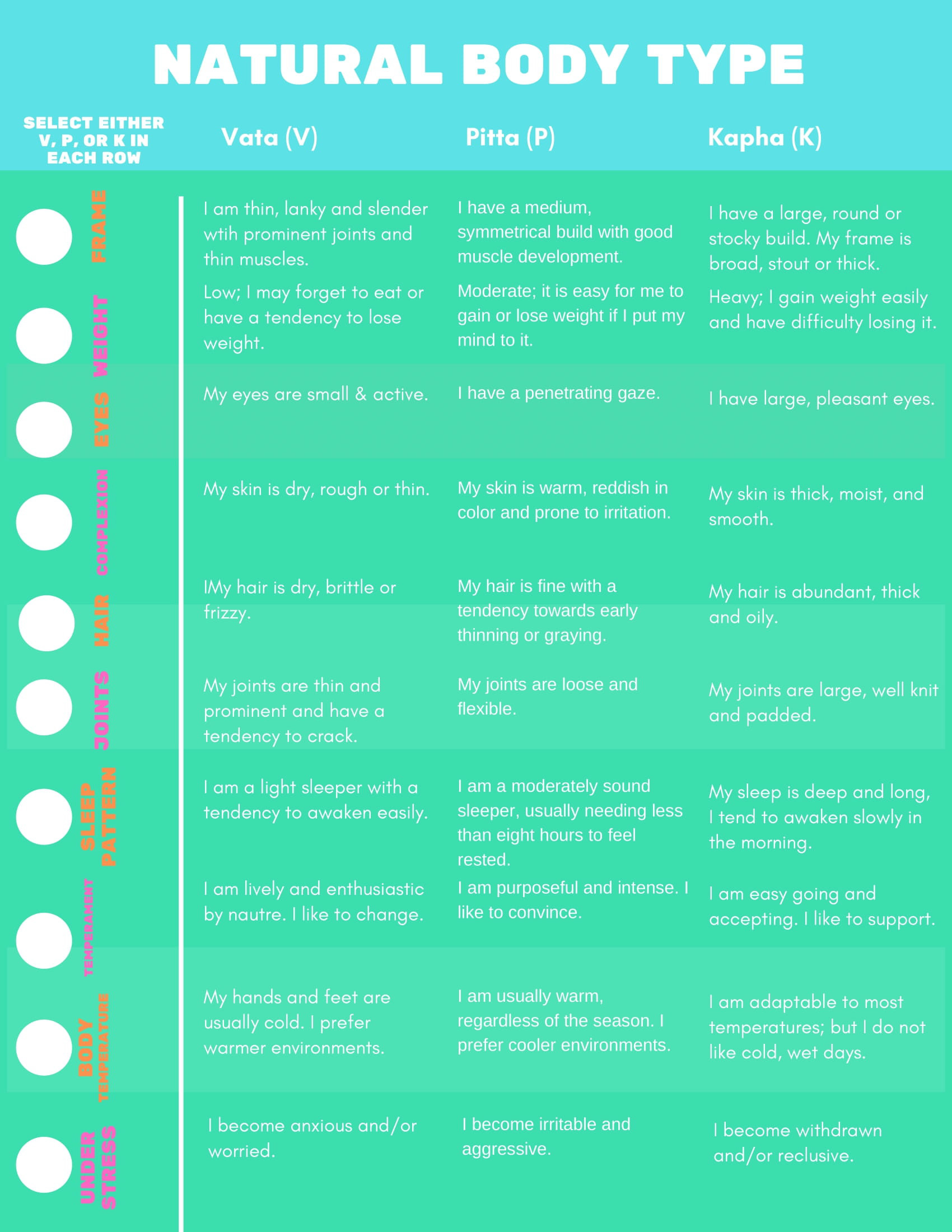
As daily eating routines, you listen to what your body wants and needs. This is where intuitive eating and Ayurveda meet. Ayurveda is body and mind listening for balancing and learning what your body is telling you by its wants. You can discover more about this with a body balance quiz you can take to get results.

In healthy terms, Ayurveda is more specific in what works for each type of imbalance, whereas intuitive eating is a general description for eating with when and what feels natural and healthy.

That would include a diet balanced with proteins, healthy fats, and good carbs (both veggies and minimally processed grains and starches).

Below, I share some valuable nuggets from a Vata (body) perspective who doesn’t need to lose weight… along with some RD thought weigh-ins.

For most of us as we age, we need more proteins that help build muscle. If you’re a natural Vata especially, you need more filling foods that give you the most energy like proteins with amino acid building blocks.

Intuitive eating refocuses our attention on what our bodies are telling us, rather than hard and fast, food “rules” that are imposed on us from diet culture and other external forces.

Vatas tend to get hungry easily (and can lose weight even faster), and we’re more likely to get close to the 23 servings per day Food Pyramid diet than the other body types, just to feel full.

Food is fuel and as a Vata example,  realized I wasn’t getting enough proteins… because I wanted to tone muscles and despite doing the same toning exercises I couldn’t make a dent. That’s normal after age 40.

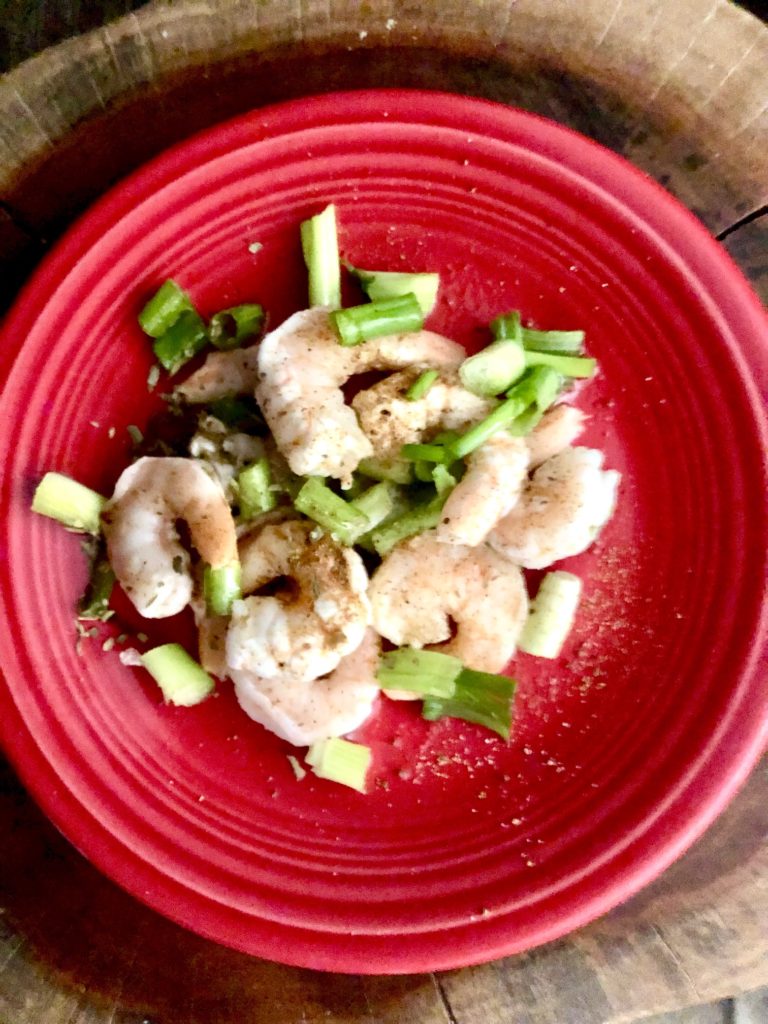
So the change I made is trying to get 50 grams of protein in per day. I work in the yogurt, seafood, legumes, nuts… and eggs that have a smidgeon of protein. Like an appetizer plate of shrimp doesn’t hurt 🍤

Intuitive eating could be enjoying a calm moment with shrimp and spices. One shrimp could be enough to set the mind off in enjoyment and send a wave of calm peace in the mind-body.

Many of us Vata bodies are lean (or have a small frame) and need to eat more, not less… and more often. For many Kapha metabolisms, that would not work well.

In either body types, it’s easier to get daily full-satisfied with proteins. Where a Vata can easily gravitate toward comfort starchy carbs that’ll help satiate hunger, while a Kapha body could lean into veggie carbs.

Vatas can also get a skinny-fat build if eating too many sweets (that’s a natural Vata body trait) or processed foods, and if they don’t work on moving and exercising like everyone else.

And while this is the profile of a typical Vata, whatever body type you have, you want to figure out what works for you.

Protein and plant-based are a good combination for most people. With most healthy eating habits, healthy intuitive eating is about getting enough good healthy foods in the diet.

While I do like some food rules, the RDs I collaborate with who promote intuitive eating, describe it as a way to make peace with food and prioritize your physical and mental wellbeing.

So, it’s intuitive eating is like another piece of the puzzle for heathy eating.

“It’s a way to get back in tune with your body and refocus your mind away from “food rules” that can be good for certain people.”

Intuitive eating de-prioritizes weight as a primary measure of health, while inviting you to eat the foods you want when you’re hungry—and to stop eating when you feel full.

Eating intuitively means being curious about what and why you want to eat something, and then enjoying it without judgment.

It’s about trusting your body’s wisdom without external influences. When you have a healthy body, it’s a reliable way to see what’s missing in a diet.

These were the original 10 Intuitive Eating principles that Evelyn Tribole and Elyse Resch (practicing registered dieticians) came up with decades ago:

Reject The Diet Mentality

Ditch diets that give the false hope of losing weight quickly, easily, and permanently. You are not a failure for every time a diet stopped working and you gained the weight back. Until you break free from the hope that there’s a new diet around the corner, you cannot fully embrace intuitive eating.

Honor your hunger

Your body needs adequate energy and nutrition. Keep yourself fed to prevent excessive hunger. By honoring the first signal of hunger you can start rebuilding trust in yourself and food.

Make peace with food

Stop fighting with food and give yourself unconditional permission to eat. Stop fostering intense feelings of deprivation by denying yourself a particular food, as these can lead to cravings and bingeing. You don’t want your “giving in” to lead to overwhelming guilt.

 Challenge the food police

Confront the thoughts that you as a person are “good” or “bad” based on what and how much you eat. Diet culture has created unreasonable rules. The food police are the negative, hopeless, or guilty thoughts you can chase away.

Discover the satisfaction factor

Pleasure and satisfaction are some of the basic gifts of existence. By allowing yourself to feel these when you eat, you can enjoy feeling content and fulfilled. When you do this, you will be able to identify the feeling of “enoughness.”

Feel your fullness

Trust that you will give yourself the foods you desire. Pause in the middle of eating and ask how the food tastes. Listen for the signals that you’re not hungry anymore. Respect when you become comfortably full.

Cope with your emotions with kindness

Restricting food can trigger a loss of control and feel like emotional eating. Be kind to yourself. Comfort and nurture yourself. Everyone feels anxiety, loneliness, boredom, and anger. Food won’t fix these feelings—it’s just a short-term distraction. Ultimately, you have to deal with the uncomfortable emotions.

Respect your body

Everyone is genetically unique, whether it’s shoe size or body size. Respecting your body will help you feel better about who you are. Being unrealistic or overly critical of your shape or size makes it hard to reject the diet mentality.

Movement—feel the difference

Feel the difference activity makes. Not militant or calorie-burning exercise, but simply moving your body. Focus on how energized it makes you feel.

Honor your health—gentle nutrition

Choose foods that honor your tastebuds and health. Don’t focus on eating perfectly. One snack, meal, or day of eating won’t suddenly make you unhealthy or deficient in nutrients. Look at how you eat over time. Choose progress, not perfection.

The science behind intuitive eating

Studies show that people who eat intuitively tend to also have lower body mass index (BMI) and higher levels of body appreciation and mental health.

They are also associated with lower blood pressure, cholesterol levels, and inflammation.

A review of eight studies compared “health, not weight loss” eating styles with conventional weight-loss diets. While they found no significant differences in heart disease risk factors between the two types of diets, they did find that body satisfaction and eating behavior improved more for people in the “health, not weight loss” groups.

Another review of 24 studies of female college students showed that those who eat intuitively experience less disordered eating, have a more positive body image, and greater emotional functioning.

Overall, there is a growing amount of research that shows the benefits of intuitive eating for both physical and mental health.

The non-diet approach of intuitive eating fits within the concept that there can be health at every body size.

It’s good to come up with your own sustainable healthy habits so you’ll stick with them, finding the foods that satisfy you and your body.

Removing the “good” or “bad” labels on food and ditching the guilt or pride about eating a certain way is at the heart center of peaceful eating.

Taking care of our bodies and embracing what we enjoy eating as balance are healthy ways to live.


Seated Yoga Poses For Flexibility

Seated yoga poses are popular and good for your flexibility. And you can do some yoga to restore your daily chair and weekly car seated positions.

seated yoga poses are great when you're seated in a car for hours or long drive vacations.

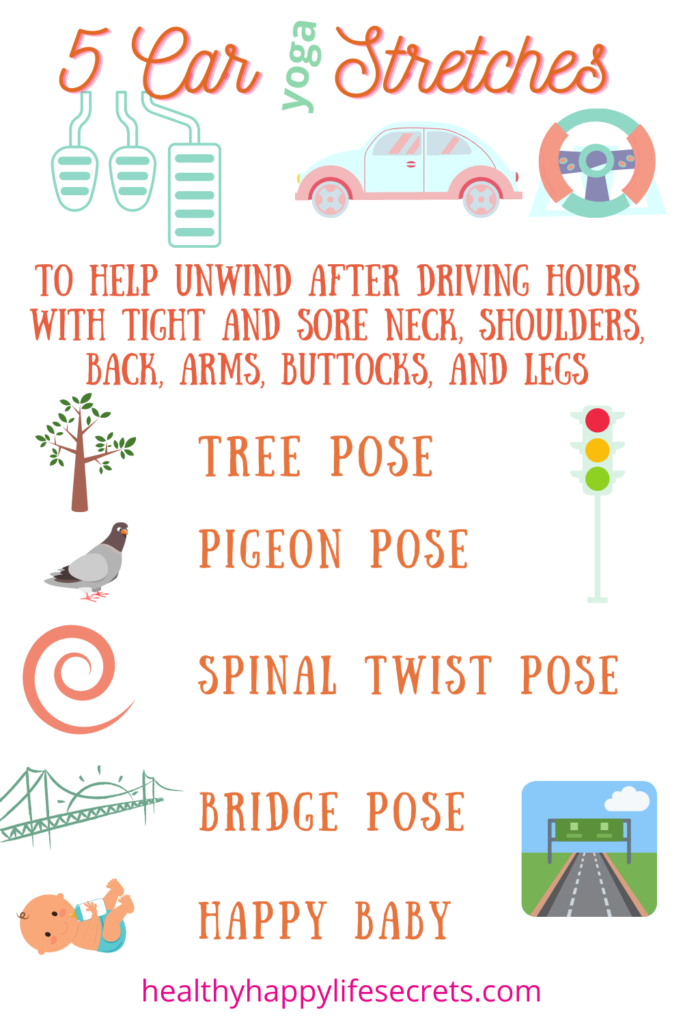
I’m highlighting the Spinal Twist for seated yoga poses below, that goes waaay back with me… and practical car yoga poses we all can use when doing regular driving, or taking long drives and car vacation trips.

If you’re spending time driving, car seated yoga poses can really help ease the pain especially when the thermostat reaches a new boiling point.

Seated as the driver in the lumbar position in your car seat, your back and right side get stressed.

So when you can, you want to reverse the damage. That’s different than doing chair yoga or seated yoga poses in an office chair I talked about last time.

You can do these seated yoga poses in the car!

One way is: when you’re sitting in the driver’s seat, you can put the front of your palm on the back of the passenger seat and press forward on the opposite seat.

That feels so good up the arm.

You’ll immediately feel a nice stretch up your primary arm nerve near your bicep muscles that may just be what the doctor ordered to restore any arm pain.

This is good to do at stoplights when your eyes are on the light or during driving rest breaks.

My standard car clutch driving days are over, but if you drive a standard shift, this is a really gooood small exercise that’ll help you!

You can also send your right arm back to the back part of the car between the driver and passenger seat, where there should be plenty of air space to do some car yoga tricks.

Then bend down at your right wrist.

Ohhh... that can zap the radial nerve in just the right nerve pain releasing angle.

The first few seconds can hurt so good!…

Plus, save you from physical therapy for repeated motions that irritate your body parts that get the most wear-and-tear.

And since we put our right foot down regularly to hit the accelerator and brakes, our right leg gets overly used too.

So to straighten out the leg nerve pain, ideally, you would want to lay down.

But in your car you can’t, so you can play a little game of Twister here on yourself following these instructions when you take a car park rest break… and without getting any funny stares from the people in the cars nearby. 💚💛💙❤️

You may need to push your car seat back to do this more comfortably and have more leg room away from the steering wheel.

And that’s another game you can play: to not hit the yoga car horn. That’s probably more challenging than getting in this pose. 😊

Then, rest your right foot on top of your left thigh (with a sharp bend in your right knee). And lift your left leg and foot off the car floor slightly. That’s important, so you don’t use your left leg to ground you (and some call that cheating in a game 😉). And so you can get the right resistance.

Then, take your right hand and push upwards from underneath your right knee, up towards the car ceiling. You should feel a nice feeling stretch in your right butt cheek and lower right back side and down your right hamstring where you feel tension when you put the pedal to the metal.

It’s definitely worth the effort relieving right leg strain… and well, that’s what I’m talkin’ about!

And that should restore-fix you until you pull over for your next car driving break.

…Which hopefully isn’t to fix a flat tire, that I can’t help you with. But I CAN help you restore your body vehicle! 🧘🏻‍♀️

And when you get back to flat land where your mat is, you can do this move laying down where both your legs are off the mat. And where you look like you’re kinda doing an abdominal crunch, that btw, wouldn’t hurt to do either since you’re already there. 😊

Your abdominals help support your back. We can give love to our gut in more than ways than one!

And after that move, don’t forget to do your supporting Bridge pose, Happy Baby …yes, you!

And then when you sit back up, you can cross your legs in your Seated yoga poses position. 🧘🏻‍♀️

Seated Spinal Twists

…When I was a kid, I remember we did a variation called sitting Indian style back when we were young and innocent 😉

And we’d been doing Spinal Twists since elementary school gym days to warm us up (before we knew there was a yoga name). We were sitting in seated yoga poses on a big and thick cushion mat either yellow, blue, or maroon red that I still remember being heavy vinyl material.

On those mats, we did tumble exercises like summer-saults, maybe named after the summer season that was meant to be fun and inventive. 🤸🏻

We also did our rotating torso seated spinal twists that I enjoyed, even though we didn’t need the stretch or mindfulness so much back then as we do now, older (!!).

And those twists complemented the real activities and past times.

On good summer days, my childhood was spent rafting on a lake or going to the swimming pool which are great ways to cool off.  I didn’t see it as a camp staycation back then, but that’s what we did.

…And that’s the first time I remember being able to do yoga. And the inkling that I could do yoga years later was confirmed after the first few years I tried it as an adult when yoga started taking root in the Western world.

…Goes to show ya, you don’t need many yoga moves or seated yoga poses to give you that edge, in case yoga ain’t your thing. Just one pose can do.

Liked the seated Spinal Twist did for me.

And if that’s not motivation enough… a practical adult application can be working on restoring your hunched forward rolled shoulders that most of us carry daily.

Another one of the great restoring seated yoga poses where you can work on this is:

Bend one knee and thread the same side arm through the hole between your knee and the mat or floor.

Then reach and wrap that hand as far to the other side of your body as you can. It’s sort of a strange feeling if you’re not used to this pretzel-like seated position.

You could grab or rest your hand on your other inside thigh leg. Wherever your hand lands, make it purposeful where you know where each finger is. It’s like octopus tentacles grabbing onto a sturdy surface. 🐙

In yoga, when you make contact with other body parts, and you know where your arms and feet are at all times, that’s big progress!

One way to practice this is in Tree pose: you can move your opposite foot and rest it on various parts up and down your leg while skipping over your knee.

Then when you’ve settled on your temporary Tree, try different arm poses like straight up in the air or “Y” hands in the air like you’re doing the “YMCA.”

…Oh my, that’s an oldie.

Or keep at heart center in prayer hands. Now, that’s really expressing your yoga postures.

You get out of the structured metal confines of a car.

But sometimes you don’t have that choice, as most of us spend a decent amount of time in a car at some point.

And in the summer, that can be work keeping cool and staying hydrated.

Because when you’re in a car, you don’t want to drink a lot of beverages. That’ll slow you down having to make a rest stop.

For longer trips, I usually drink up a day or two before traveling to have some reserves to go off on.

Chair Yoga + The Beatles Yoga Inspiration

Chair yoga poses will be a lifesaver if you’re like many work in an office and sit in a chair most the day since your shoulder, neck, and back posture are compromised.

And if that’s your daily work ritual, then these poses described below will help…

chair yoga poses for office workers.

Towards the end, you’ll also learn what structure I think in Liverpool (that’s home to The Beatles band) is an inspiration for a special yoga pose at day’s end!

…oh, and I won’t even let Sir Paul McCartney ruin it as he’s looking pretty calm and relaxed here in his leaning pose outside the Liverpool cavern he used to play at. 😀

…His work, btw, at Abbey Road wasn’t one like the modern worker. And if you’re working in an office, most likely you’re not just leaning around with nothing to do.

In any day, your body is under stress and experiencing some form of tension even if it doesn’t feel that way at the time.

And especially if you’re in front of a computer, it’s smart to invest in a desk keyboard and keyboard rolling tray for your desk.

You don’t want to type long form on your laptop’s keyboard if that’s your habit… or a keyboard that sits on your lap… or even on top of a desk where your wrists are unnaturally raised.

…Those were all big no-no’s that I learned the hard way.

Small, but repetitive moves wreak havoc on your wrists, neck, shoulders, and back over time. That’s what happened to me for one season… where I had daily pain in my upper arm from the repetitive typing motions.

Then I learned to stop and do yoga, and bend my right wing (arm) in just the right way to restore the stress pain daily.

Now that’s a smart move… combining yoga and therapy all in one without having to leave my chair or spend a dime 😉

I also recommend a rectangular pillow on the small of the back. Remember, your lower back supports your mid to upper back and everything above, so treat it carefully.

But even with the right ergonomic office tools and desk alignment, you’ll still find chair yoga moves super helpful in your day.

Chair Yoga Poses 🪑

Just like it sounds, chair yoga you may have heard of is done in your chair.

You could set a reminder every hour to do some chair yoga. …or when you take a sip of your warm beverage …or are waiting for the computer screen to refresh or take action.

For starters, turn your neck to look out your left and right sides.

That also gives you an opportunity to take a quick looksy outside your window and see what’s happenin’ or around your room for an eye break.

Then, tilt your head down to each shoulder from side to side, and look up toward the ceiling.

Roll your neck in a circular motion from front to back and reverse the roll. That should feel really gooood!

And when you’re warmed up…

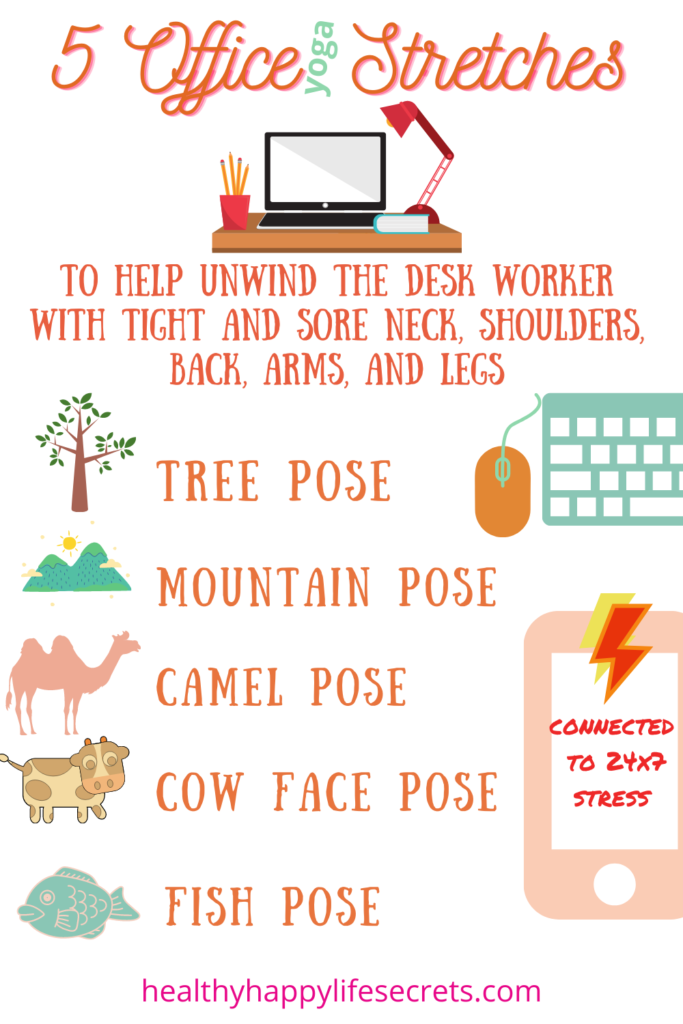
You can do a variation of a Cow face pose that you would normally do on a mat, but you can do it in your office chair too. You can do the pose with the top half of your body where you reach one arm over your shoulder to your back, and then grab the opposite arm and hand coming from underneath your back on the opposite side.

If your hands don’t meet or clasp at the fingers, you can use a towel as a prop to grab onto. One side is usually tighter than the other. Keep trying. And alternate sides. Your shoulders should feel instantly better.

This is a great chest opener for rounded shoulders that are usually rolled forward on a computer desk.

When you breathe, you can use “moo” as your “om” exhale sound for this pose. Now you won’t forget the name of this Cow face pose. 🐮

Cow face also helps to reverse your arm tension that’s usually swinging in forward motion.

[Just FYI, it’s good to send your arms behind you or your back whenever you can. You could grab your opposite elbows behind your back as an easy way… or grab and pull on the top of a chair with each arm for some resistance.]

For your body’s good, keep body parts movin’ so you don’t hear hard snap, crackle, pop sounds that mean you’re really tight and need mooo-re stretching in those areas.

To silence crunchy sounds if you’ve experienced those, I always start off by thinking about what body parts feel tension without movement …and then move and wiggle around a little to see what feels good.

Your body is intuitive for you. And some people’s muscles are more stretchy, so don’t compare yourself to what others can do.

And if it feels good to you, then it’s doing you good!

And from there… I figure out what needs to happen. If you’ve been doing yoga for a while or know various yoga poses, then you can think of specific poses. But if you can’t, then you can either follow the poses prescribed or flow poses like I’m giving here.

Or just make up your own. Stretching doesn’t always have to have a name, but most standing, sitting, and laying down on front or back poses do have a name.

And here are a few more office chair moves that you can for chest and shoulder openers:

Have prayer hands behind your back like in Camel pose I mentioned last time about travel yoga poses you can take with you.

And in the spirit of chair yoga, another great one is having raised Cactus arms to your sides. You raise your arms to your sides like Airplane arms and then bend them so they’re in an “L” shape beside your shoulders (palms facing forward).

You may be thinking you’re not really doing anything good to your body if you’re in a chair and not doing active poses on a mat, but any movement that takes your weight off your body in places and spaces carrying your own body weight helps your body.

…That’s one reason we sleep laying down and not actively seated where tension is added to the body so it can rest-reset-restore.

So yes, just sitting is work for your body! Tell that to your boss 😉

Away From Office Chair Yoga Poses

And away from your chair, you get up, you can stop and do a Mountain, Tree, and Chair pose (I call it “the invisible chair” without a chair)… always good for any prolonged sitting activity.

You could try a creative Mountain-Tree-Chair pose variation. I made this one up where I fold my leg on top of my opposite thigh, bend down in an invisible chair pose and raise my arms to the ceiling.

This does a world of good for your entire body and you can do this while you’re watching television and transform into a one-of-a-kind chair if you want to get off the couch potato pose. 🥔

And at the end of the long day, when you get yourself to a yoga mat, a great neck reversing restoring pose is laying down in Fish pose.

Lay face up on your mat with your elbows lifting most of your back up to your head off the mat. And then let your neck gently hang like a rag on a laundry line, so that you’re looking upside down at the opposite side of the room.

Fish pose on a clothes line 😊

This takes the weight and pressure off your neck.

Then take a rest pose moment.

And when you feel ready, raise up into your Bridge pose… and when you come back down onto your mat, next time go for the high-energy arms Wheel pose, that’s amazing for stretching your back and giving you a burst of energy. You might be surprised at how high you can go, and freeing it feels to let your head and hair hang down!

In Wheel pose, I think of a Ferris wheel and how grand and controlled they look. This is the Liverpool one on the pier. Remember I mentioned I would share a ‘lil yoga inspiration. 

The view from above ferris wheels is different from that below. And you can end your day on a high note even if it was spent in an office chair all day. 🎡