High fiber food helps you have a naturally gut healthy life. And if you’re fiber-maxxing these days, some foods are higher fiber in each food category.
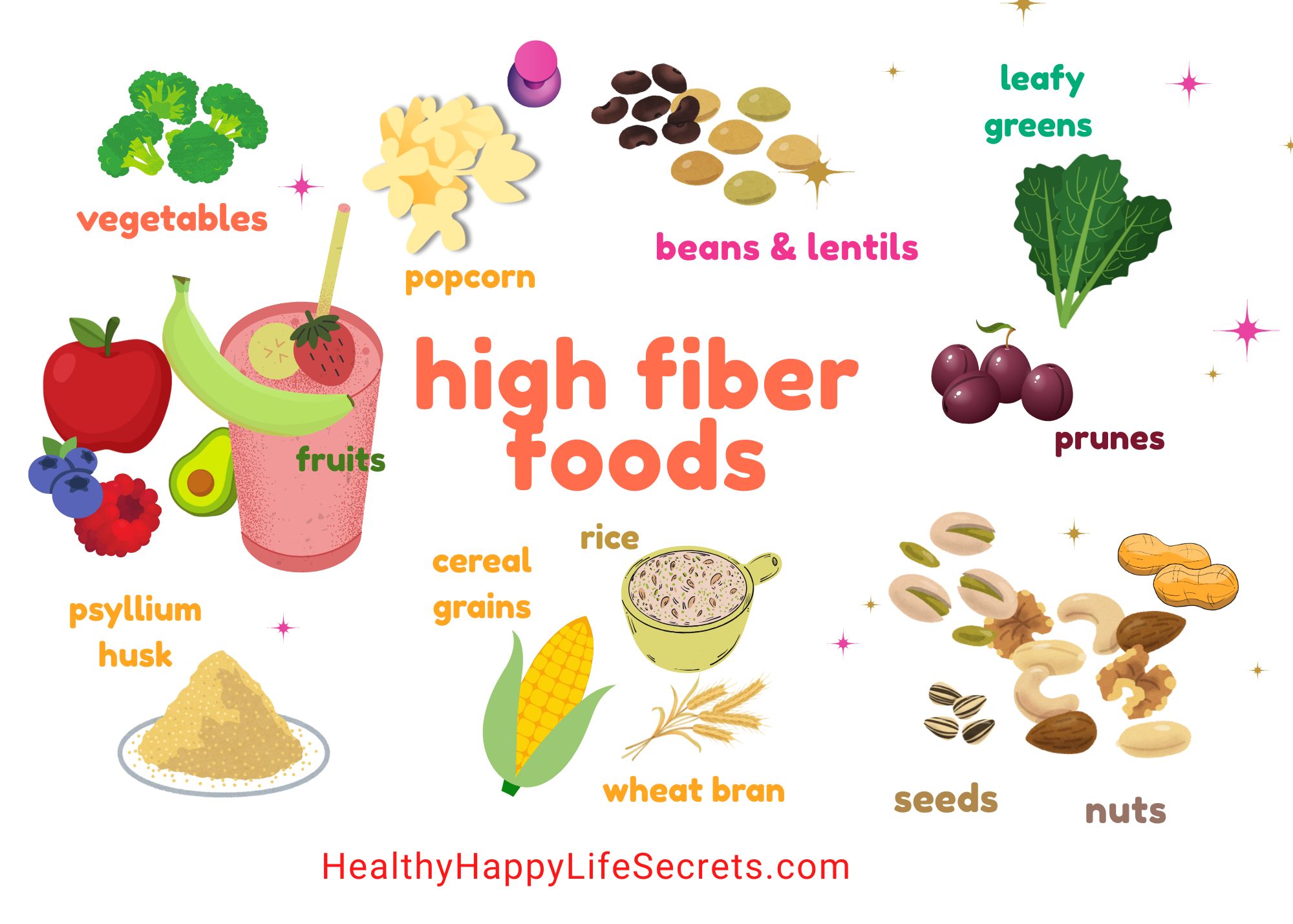
Besides this printable graphic, check out the selected list below of highest fiber foods.
…Which btw, increasing fiber may be catching on as a trend, but it not a new healthy idea. Your GI tract has always loved you and those before you for increasing fiber.
…and it has been on a nutritional label for years, but is still often overlooked.
The dietary fiber line item is under the carbs category, but indigestible, unlike carbs (that are digested).
And the indigestible fiber supports a healthy gut life.
…Where the fiber we eat comes from foods that have outer plant-based fiber, such as wheat and fruit skins.
Wheat bran and prunes are good examples of the XX in fibermaxxing, as super fiber foods.
And basically, there are two kinds of fiber that make up dietary fiber count: soluble and insoluble.
Many plant-based foods have both, but when we think of fiber to help food passage, it’s the insoluble fiber kind that we need more of daily.
Think of insoluble fiber as a growing bigger tumbleweed in the desert.
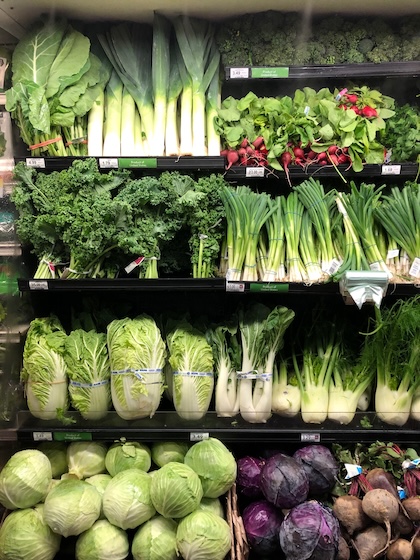
And in the gut, that could be a wad of cabbage or popcorn moving through your body’s water channel tract.
…Or it could be other daily foods like leafy greens, nuts, lentils, beans, and plant-based foods that also have high fiber counts.
Fiber foods are usually affordable foods year-round at places like Aldi grocery stores… and you can find interesting fresh-off-the-farm grown seasonal foods at local farmers markets, such as different kinds of radishes and leafy greens.
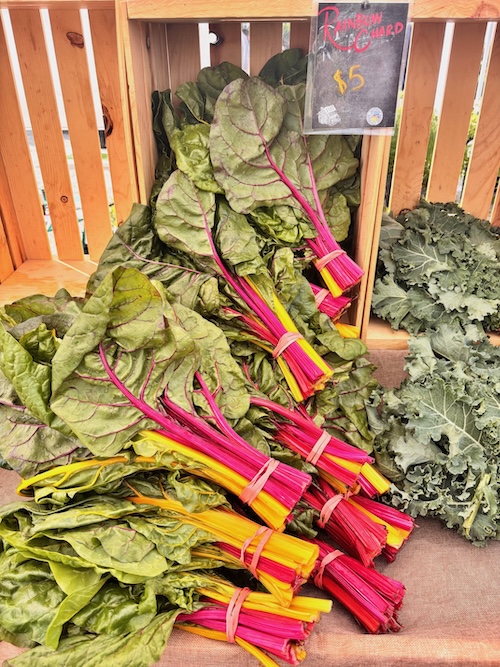
The common mature version of these plants generally have more fiber than say microgreens that are the baby versions, and super healthy for other reasons.
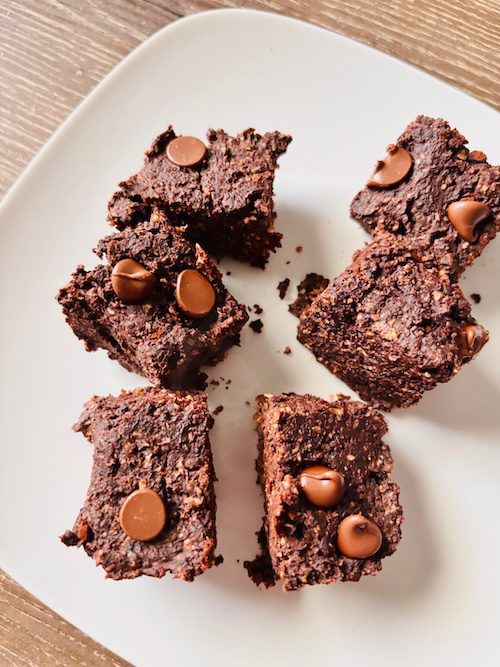
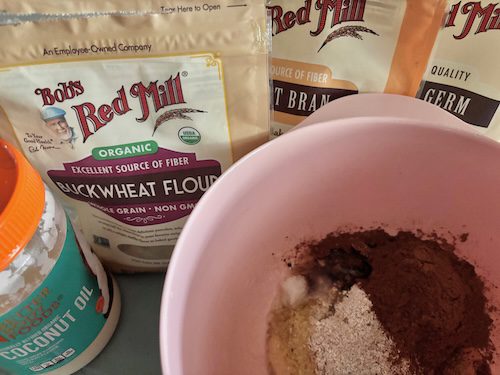
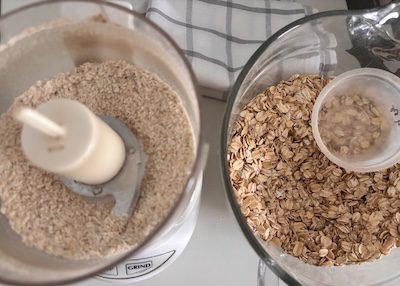
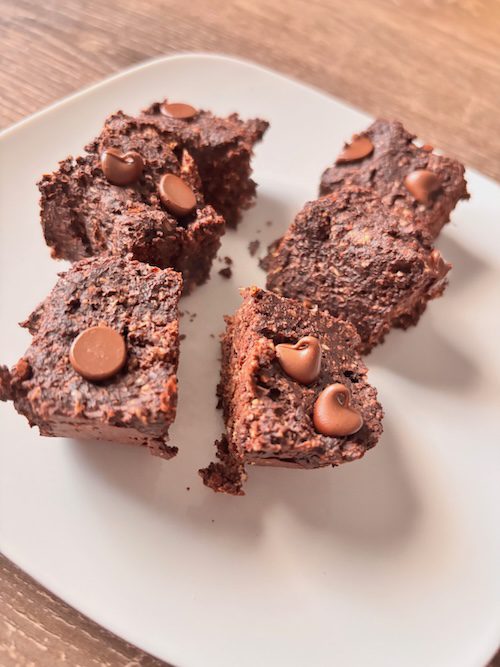
Then there are the cereal grasses with fiber, such as wheat, that can be added in your daily diet, like in a fiber healthy brownie recipe that you can make and even enjoy for breakfast.
…And another breakfast way to get in these fiber foods is from organic fruits in a smoothie.
Adding fruit skins to your blender helps you consume more fiber.
Today women are recommended to get approximately 25-30 grams, and for men, 30-38 grams of fiber.
And these are just a few high fiber food suggestions where you can rack up more gram points:
Smoothies – Fruit and veggies are good sources of fiber, and whether it’s a sweet smoothie or green smoothie, your body fiber benefits. Or a veg-fruit blend of the two like in a green mango smoothie.
…Oh, and you can make delicious dessert smoothies too (which is my favorite), like a blueberry cheesecake smoothie.
Did you know cocoa powder has 7-9 grams of fiber per ounce? That’s double or more fiber than. in a medium apple. Finding an unsweetened and natural cocoa powder (not an alkalized Dutch processed) is healthier.
…And that you can add to a chocolate fiber-y coconut chocolate smoothie.
For more healthy smoothie ideas, get the FREE smoothie guide.
Green lentils – Peas and lentils are related, but from different plants or parents. They’re like cousins to each other. And you can make mushy peas with higher fiber via green lentils, that substitute green peas (that don’t have as much fiber).
Navy beans – The queen of high fiber beans are navy beans. Navy beans are also called pea beans (they have that in common with chickpea-garbanzo beans that also have both pea-bean in the names).
They may not be as easy for you to source as other beans, but are often found in a 15-bean bag. You can easily make this a healthy meal in a homemade bowl of turmeric soup.
And if you’re having a tough time finding these beans (vs cannellini or Great Northern beans that navy beans are often confused with), check out dry beans at places like Walmart markets that usually have a larger selection at lower prices. And you can’t go wrong with pinto beans either.
But if you’re hesitant about beans altogether, you can avoid the reason why many people sometimes stay away from the bean digestive effects…
Tip: And if that’s your bean experiences after digested, try a bag of dried beans. Soak the beans overnight or longer in a bowl of water. Absorbing the water, the beans will expand and grow in size, maybe as big as a lima bean, so add more than enough water to fully cover. Then low and slow cook the beans until soft.
Try them and note the difference for your body. Either way, it will be a different experience than canned beans.
Psyllium husk – This is one of those supplemental powders that has been around. It’s definitely an alternative, but one that often comes with additives and sugar. You can get enough fiber from your healthy food diet if you try.
…So maybe challenge yourself to get enough fiber from foods? Because then you’re eating more plant-based foods that also offer vitamins, minerals, and anti-inflammatory body benefits. Just a thought.
Artichoke – This a prebiotic food that feeds good bacteria (good for a gut baby). The common globe artichokes look more like pretty green roses with the concentric petals.
You’ve probably also heard of Jerusalem artichokes… that are tubers (like water chestnuts or potatoes) and not related to those artichokes. They actually look more like potatoes on the outside. But that’s okay if you get confused between the two, as both are fiber healthy.
Both artichoke types have prebiotic fiber (inulin) that feeds good bacteria, found also in asparagus, chicory root, garlic, bananas, alliums (e.g. onions and garlic).
Passion fruit – The passion fruit is also passionate in fiber with about 25 grams per cup compared to 8 grams in berries like raspberries, that are also considered high fiber fruits.
But passion fruit is great for people who don’t love sweet fruits, but if you do, you can pair with other tropical fruits in a smoothie, like sweet dragon fruit, pineapple, or kiwi that are easier to source. Or add in to coconut.
Avocados – You can find avocados on so many healthy lists, but as for fiber, it’s also a winner! It’s higher than many fruits. So add the superfruit in your smoothies, dips, and smears. You can try with coffee that’s a laxative, in a 2xx morning avocado coffee smoothie. 🥑 And then grow a little avocado plant from seed.
Prunes – These are dried plums that are good snacks that have balanced soluble and insoluble fiber. Plus you’re eating the skins that are mostly insoluble fiber (reason for daily fiber) and the flesh or pulp is soluble.
And they taste consistent. Because you probably remember the plum tastes from in season vs. off season where they can be sweet or sour.
For prunes, the natural fruit sugar in them act as laxatives. They make great home snacks (and not so much take-a-long-snacks). And you can try adding to your cooking, like pairing with meat if you eat.
Wheat bran – A wheat kernel has bran (outer layer), germ (inner seed) and endosperm (middle layer). Whole wheat flour has all, but the bran has the higher insoluble fiber, like most skins.
Flour is also more processed. But you can easily add wheat bran into your bakes like a whole grain roll or daily biscuit. You can also get this in your fortified cereals if you don’t like to bake.
Barley – Getting both soluble and insoluble fiber, barley has both like prunes.
To prepare, it’s easier than dry rice. It’s closer to quinoa where you can dry toast for a minute (optional), and then cook in water until soft.
It’s a good alternative to rice or oats. It’s a healthy ancient grain like buckwheat and amaranth where you can add a little into your bakes.
…That makes this ‘lil home baker happy. 😊