UA-141369524-4

Intuitive Eating Vata + RD Recommends

Intuitive eating can be a reframing way to develop a healthy relationship with food and greater food appreciation.

Intuitive eating is mindful eating thta can open up personal tastes to more healthy food variety that helps our bodies.

When your body is running well, intuitive eating can be a sustainable non-diet approach. 🧡 It can be more automatic than programmed into our day. We don’t need to count calories and other nutrition data content.

As daily eating routines, you listen to what your body wants and needs. This is where intuitive eating and Ayurveda meet. Ayurveda is body and mind listening for balancing and learning what your body is telling you by its wants. You can discover more about this with a body balance quiz you can take to get results.

In healthy terms, Ayurveda is more specific in what works for each type of imbalance, whereas intuitive eating is a general description for eating with when and what feels natural and healthy.

That would include a diet balanced with proteins, healthy fats, and good carbs (both veggies and minimally processed grains and starches).

Below, I share some valuable nuggets from a Vata (body) perspective who doesn’t need to lose weight… along with some RD thought weigh-ins.

For most of us as we age, we need more proteins that help build muscle. If you’re a natural Vata especially, you need more filling foods that give you the most energy like proteins with amino acid building blocks.

Intuitive eating refocuses our attention on what our bodies are telling us, rather than hard and fast, food “rules” that are imposed on us from diet culture and other external forces.

Vatas tend to get hungry easily (and can lose weight even faster), and we’re more likely to get close to the 23 servings per day Food Pyramid diet than the other body types, just to feel full.

Food is fuel and as a Vata example,  realized I wasn’t getting enough proteins… because I wanted to tone muscles and despite doing the same toning exercises I couldn’t make a dent. That’s normal after age 40.

So the change I made is trying to get 50 grams of protein in per day. I work in the yogurt, seafood, legumes, nuts… and eggs that have a smidgeon of protein. Like an appetizer plate of shrimp doesn’t hurt 🍤

Intuitive eating could be enjoying a calm moment with shrimp and spices. One shrimp could be enough to set the mind off in enjoyment and send a wave of calm peace in the mind-body.

Many of us Vata bodies are lean (or have a small frame) and need to eat more, not less… and more often. For many Kapha metabolisms, that would not work well.

In either body types, it’s easier to get daily full-satisfied with proteins. Where a Vata can easily gravitate toward comfort starchy carbs that’ll help satiate hunger, while a Kapha body could lean into veggie carbs.

Vatas can also get a skinny-fat build if eating too many sweets (that’s a natural Vata body trait) or processed foods, and if they don’t work on moving and exercising like everyone else.

And while this is the profile of a typical Vata, whatever body type you have, you want to figure out what works for you.

Protein and plant-based are a good combination for most people. With most healthy eating habits, healthy intuitive eating is about getting enough good healthy foods in the diet.

While I do like some food rules, the RDs I collaborate with who promote intuitive eating, describe it as a way to make peace with food and prioritize your physical and mental wellbeing.

So, it’s intuitive eating is like another piece of the puzzle for heathy eating.

“It’s a way to get back in tune with your body and refocus your mind away from “food rules” that can be good for certain people.”

Intuitive eating de-prioritizes weight as a primary measure of health, while inviting you to eat the foods you want when you’re hungry—and to stop eating when you feel full.

Eating intuitively means being curious about what and why you want to eat something, and then enjoying it without judgment.

It’s about trusting your body’s wisdom without external influences. When you have a healthy body, it’s a reliable way to see what’s missing in a diet.

These were the original 10 Intuitive Eating principles that Evelyn Tribole and Elyse Resch (practicing registered dieticians) came up with decades ago:

Reject The Diet Mentality

Ditch diets that give the false hope of losing weight quickly, easily, and permanently. You are not a failure for every time a diet stopped working and you gained the weight back. Until you break free from the hope that there’s a new diet around the corner, you cannot fully embrace intuitive eating.

Honor your hunger

Your body needs adequate energy and nutrition. Keep yourself fed to prevent excessive hunger. By honoring the first signal of hunger you can start rebuilding trust in yourself and food.

Make peace with food

Stop fighting with food and give yourself unconditional permission to eat. Stop fostering intense feelings of deprivation by denying yourself a particular food, as these can lead to cravings and bingeing. You don’t want your “giving in” to lead to overwhelming guilt.

 Challenge the food police

Confront the thoughts that you as a person are “good” or “bad” based on what and how much you eat. Diet culture has created unreasonable rules. The food police are the negative, hopeless, or guilty thoughts you can chase away.

Discover the satisfaction factor

Pleasure and satisfaction are some of the basic gifts of existence. By allowing yourself to feel these when you eat, you can enjoy feeling content and fulfilled. When you do this, you will be able to identify the feeling of “enoughness.”

Feel your fullness

Trust that you will give yourself the foods you desire. Pause in the middle of eating and ask how the food tastes. Listen for the signals that you’re not hungry anymore. Respect when you become comfortably full.

Cope with your emotions with kindness

Restricting food can trigger a loss of control and feel like emotional eating. Be kind to yourself. Comfort and nurture yourself. Everyone feels anxiety, loneliness, boredom, and anger. Food won’t fix these feelings—it’s just a short-term distraction. Ultimately, you have to deal with the uncomfortable emotions.

Respect your body

Everyone is genetically unique, whether it’s shoe size or body size. Respecting your body will help you feel better about who you are. Being unrealistic or overly critical of your shape or size makes it hard to reject the diet mentality.

Movement—feel the difference

Feel the difference activity makes. Not militant or calorie-burning exercise, but simply moving your body. Focus on how energized it makes you feel.

Honor your health—gentle nutrition

Choose foods that honor your tastebuds and health. Don’t focus on eating perfectly. One snack, meal, or day of eating won’t suddenly make you unhealthy or deficient in nutrients. Look at how you eat over time. Choose progress, not perfection.

The science behind intuitive eating

Studies show that people who eat intuitively tend to also have lower body mass index (BMI) and higher levels of body appreciation and mental health.

They are also associated with lower blood pressure, cholesterol levels, and inflammation.

A review of eight studies compared “health, not weight loss” eating styles with conventional weight-loss diets. While they found no significant differences in heart disease risk factors between the two types of diets, they did find that body satisfaction and eating behavior improved more for people in the “health, not weight loss” groups.

Another review of 24 studies of female college students showed that those who eat intuitively experience less disordered eating, have a more positive body image, and greater emotional functioning.

Overall, there is a growing amount of research that shows the benefits of intuitive eating for both physical and mental health.

The non-diet approach of intuitive eating fits within the concept that there can be health at every body size.

It’s good to come up with your own sustainable healthy habits so you’ll stick with them, finding the foods that satisfy you and your body.

Removing the “good” or “bad” labels on food and ditching the guilt or pride about eating a certain way is at the heart center of peaceful eating.

Taking care of our bodies and embracing what we enjoy eating as balance are healthy ways to live.


Flow Yoga Poses In 10-Minute Baking ⏲

Flow yoga is something you can add to your practice 10 minutes while you’re waiting and working on baking.

5 yoga flow stretches while waiting for your bakes.

For the next few weeks, I’m focusing on a new flow yoga mini-series to help you go from one pose to the next easily. Yoga means “union” and is the mind-body-spirit connection that we all can use.

And If yoga is intimidating (or it’s better) to you, you can call it modified stretching or something similar so you can remove the mental blocks (…and yoga blocks if you choose 😉).

Stretching is needed to reset our tight and daily working bodies. So I hope this will help you through the rest of the year whether you’re traveling or staying put where you are.

…And a flow yoga routine is something easy you can practice and do year-round and anywhere, so I’ll give you a flow yoga sequence below for someone who spends a lot of time in the kitchen (myself included).

This time I’ll focus on yoga for those who do regular cooking or baking. If you know anyone who spends a lot of time in the kitchen, you could share this with them.

Body Balance Quiz

Even if you don’t think you’re good at yoga, the benefits to your body outweigh the few minutes spent… and some benefits can’t be achieved with other exercises, as you’ll not reach those hidden body muscles and crevices.

We tend to use the same few muscles for everyday use like our biceps and legs, when in fact we have about 600 muscles.

And whether you’re in the kitchen, traveling, or in an office, it’s good to plan to have a yoga mat or towel nearby, so you can stretch every day.

A mat can be a good reminder, as we take for granted that our bodies work for us every day without missing a beat. 🫀

We can all use a stretch once in a while where we let our hair down and take off our shoes and socks.

So grab your mat and here we go!…

If you’re working in the kitchen often, you’re looking down most of the day at the kitchen counter or the baked items you’re preparing. This puts a strain on your neck and all the nearby muscles running down your shoulders and back.

This mini-series of poses, or flow yoga, would be great to help you unwind and restore as you wait for your timed baked goods to bake in your oven.

You gotta love the oven for that reason!…

And last time I mentioned how great your freezer is for storage (another great piece of equipment to be grateful for). And this week it’s all about optimizing your waiting on your oven.

With an oven, you can set and forget your food cooking for a few minutes. So you can get to your other tasks… and a few resetting yoga poses while your food is baking evenly.

What flow yoga will help you do:

🧡 Undo the tension and strain you put on your body from preparing your food and bakes, even if you don’t feel it in the moment.

🧡 You may realize you need more stretching which is exactly what your body wants. Note: you can’t do too much yoga, but you can overwork parts in yoga. And if you ever do, you realize how delicate and resilient your body is.

🧡 And the best part of yoga (I think) is you will feel like a million bucks when you get back to the rest of your day.

Most poses you can do while you’re watching television, but after you already know the correct posture and alignment. That’s why it’s good to get proper instruction from a studio. But if that’s not possible, then use this general rule:

1)     If it feels like a good stretch to your body in the moment, then you need more of it. It should never hurt (where you bite your lip in wincing pain).

Yoga is individualistic. Everyone has different bodies and nuance tolerances, so you have to use how YOU specifically feel as a guide and not what others tell you they feel when they’re in the pose even from one Vata to another (or from Pitta to Pitta, or Kapha to Kapha)…if you get my drift? 

2)     If you’re in a pose carrying any body weight, then do not move the body part that is carrying the weight if it’s a weak area.

For example, in Plow pose laying down where your legs go behind your head, your neck carries the weight of your legs and parts of your torso, so you wouldn’t want to move your neck when you get in the pose (and it’s easiest to stare at one distant spot or a light in the ceiling above).

Yoga is totally a personal journey where you get to know your body after you get the basics down.

Yoga has good body benefits even if you don’t get into your zen (and that’s a good mind benefit).

Determine Your Weak and Strong Areas

For each of us, we’re physically stronger in some areas and weaker in others, and that can be specific to specific poses.

For example, my strength is flexibility and balance. And the more I do yoga, the stronger the muscles become to support my weight (like in a Plank). It can be the same for you or you could be strong and want to work on balance, like in a Tree Pose. Or flexibility and balance in bird yoga poses. It’s all just practice.

And in yoga, endurance of how long you can stay in a pose is mostly determined by your patience and the strength of specific muscles.

If you’re newer to yoga, find out what your strong areas are. And what the weak ones are. We all have them and sometimes we don’t know what they are until we make a small mistake in yoga that shows up as a ‘lil pain a day or two later.

…That teaches us for the next time and also lets us know we’re alive!

Baking Flow Yoga Poses

So to start, practice some Cat-Cows to loosen up.

Then you can rest in a Child’s pose (or Hare pose if you want to really tuck in). There’s no hurry in yoga (except when your buzzer goes off for your bakes! ⏲)

…And so when you’re ready, then lie on your front like you would on a beach towel laying face down or reading a book.

Then reach back and grab your ankles if you can, or just alternate one ankle with the same side arm at a time, if that’s too much of a stretch initially.

You’d be surprised that you can change pretty quick in flexibility after a few minutes or sessions! The longer you hold the pose, the easier and better it is and becomes.

…Remember when you tried the splits and you could stretch even more the longer you stayed in the pose? …And don’t raise the bar too much, like a gymnast who’s built for that!

So then after grabbing your ankles, look up and peel your shoulders and thighs off the floor if you can. Lift off. Look upward. This is really good for your back and neck. And this pose is called Bow pose. Stay there for as long as you can and let go and then try again a few more times.

And from there you can move into Pigeon pose, where your forearms are perpendicular (straight up from the mat), and then  hinge one leg forward, and the other leg straight back behind you.

You’ll feel a nice stretch in your thigh, back, and legs that withstand so much weight when you’re standing. In your pigeon, look up slightly. And whenever you have the opportunity.

Pigeon pose is a really good stretch for your neck, back, butt, and legs. One side tends to be tighter than the other. And you’ll feel it as you alternate sides.

You can then get into a neutral Downward Dog as a flow yoga step for transitioning.

Then flip or turn over to your back on the mat (so you’re facing up).

It’s tempting to take a nap. And if you have time, go for it! But don’t forget about your oven if it’s on!

And then lift your bottom up off the mat into Bridge pose. You can feel relief in your back. This is a good one to use a yoga block.

You can insert the elevating block where your back ends and meets your tail bone. And then just comfortably rest on the block without doing anything. How nice!

The block isn’t preventing you from reaping yoga physical benefits as it helps you get stretched further in height. So it helps you and isn’t a crutch in case it feels that way!

You go higher (literally) than you would normally. Yoga is all about making your life easy… gotta love that! 🧡

And finally, when you come back down, get into your Happy Baby pose where you grab your big toes with your forefingers and thumbs (something monkeys can’t do!).

Happy Baby can leave you feeling relaxed without a care in the world for a few minutes and is a great way to end your yoga session. And you may just want to come back for more!

…And your bake should be about ready now or ready for you to check on. 😉

For more inspiration, take a look at these 100 yoga poses.

If you want to get more awareness about what your body is telling you, or would like to learn more about the Ayurvedic perspectives in the mind-body connection, you can take the body balance quiz.

Anti Inflammatory Grocery Foods – 200+ Printable List

Anti inflammatory grocery foods are especially good for prevention of chronic inflammation that protect against chronic diseases.

anti-inflammatory grocery foods list of 200.

Whether you want to add glutathione foods for gut health or prevent eczema, we know a healthy diet with protein and plant-based foods is one that’s rewarding for our anti-inflammatory health.

These rainbow anti inflammatory grocery foods below are alphabetized by food category for easy reference. 🌈

A fruit bowl of anti-inflammatory foods that are good to add to a grocery list.

Some anti-inflammatory recipe suggestions and dish ideas are mentioned below.

Vegetables/Greens/Salad Foods

1.Alfalfa sprouts

2.Artichoke hearts

3.Arugula

4.Asparagus

5.Avocado

6.Beets

7.Bell pepper

8.Bibb lettuce

9.Broccoli

10.Brussels Sprouts

11.Butternut squash

12.Cabbage

13.Capers

14.Carrots

15.Cauliflower

16.Celery

17.Chards

18.Cole slaw

19.Collard greens

20.Corn

21.Cucumber

22.Edamame

23.Eggplant

24.Endive

25.Fennel

26.Garlic

27.Grape leaves

28.Green beans

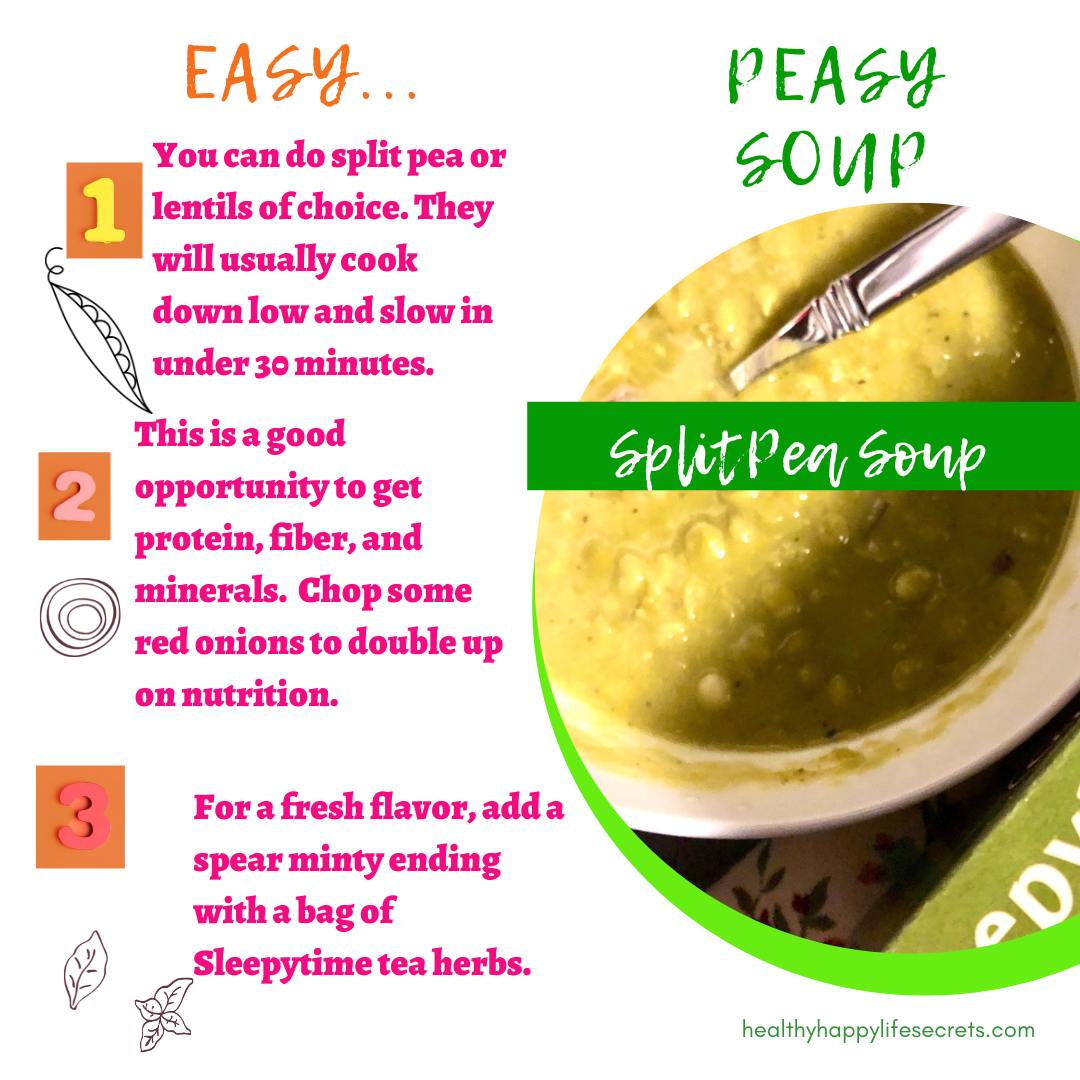
29.Green peas or split peas

30.Hearts of palm

31.Iceberg lettuce

32.Jicama

33.Kale

34.Kimchi

35.Leafy greens

36.Leeks

37.Mushrooms

38.Mustard greens

39.Okra

40.Olives

41.Onions (all)

42.Parsnips

43.Pickles

44.Potatoes

45.Pumpkin

46.Radicchio

47.Radishes

48.Red bell pepper

49.Red cabbage

50.Romaine lettuce

51.Rutabagas

52.Sauerkraut

53.Shallots

54.Shredded cabbage

55.Snow peas

56.Spinach

57.Spring mix salad

58.Sundried tomatoes

59.Sweet potatoes

60.Tomatoes

61.Turnips

62.Pickled Vegetables (unpasteurized)

63.Winter squash

64.Yams

65.Yellow peppers

66.Zucchini

67.Spaghettii squash

You can add tasty flavors with anti inflammatory foods in healthy oil, vinegar, butters, broths, and condiments.

And adding prebiotic veggies such as asparagus, onions, and garlic help the gut.

These are some prebiotic food ideas along with fall apple bundt cake recipe. Also enjoy anti-inflammatory vegetable soup, healthy Game Day potato skins, an easy veggie breakfast frittata, and homemade zucchini fettuccine.

Additives – Flavor for Anti Inflammatory Grocery Foods

68.Almond butter

69.Apple cider vinegar (organic with the mother substance)

70.Avocado oil

71.Bone broth

72.Coconut oil

73.Cod liver oil

74.Ghee

75.Grape seed oil

76.Horseradish

77.Miso

78.Mushroom broth

79.Olive oil

80.Peanut butter (all-natural)

81.Salsa

82.Sea salt

83.Sesame oil

84.Sunflower oil

85.Tahini

86.Vegetable broth

87.Vinegars (white, red, balsamic, etc.)

88.Walnut oil

89.Wheat germ oil

🛒 You can gather and check out some anti-inflammatory food ideas in this article link. Here is a  moist coconut oil chocolate banana bread recipe

Nuts/Seeds

Nuts have healthy fats, protein, fiber, minerals that make them anti inflammatory foods and make great snacks.

90.Almonds

91.Brazil nuts

92.Cashews

93.Chia seeds

94.Flaxseeds

95.Hemp seed

96.Macadamia nuts

97.Peanuts

98.Pecans

99.Pine nuts

100.Pistachios

101.Poppy seeds

102.Pumpkin seeds

103.Walnuts

Seafood/Protein

As anti inflammatory rich foods, seafood and fish are good sources of minerals. And certain lean proteins as well as eggs help with daily energy.

104.Anchovies

105.Chicken

106.Chili

107.Cod

108.Fatty fishes

109.Flounder

110.Pasteurized Eggs

111.Grass-fed beef

112.Grass-fed lamb

113.Mackerel fish

114.Organic chicken

115.Oysters

116.Salmon

117.Sardines

118.Scallops

119.Shrimp

120.Shellfish (clams, mussels, crabs, lobster)

121.Tempeh

122.Tofu

123.Trout fish

124.Tuna

125.Turkey (uncured)

You can try salmon salad (no mayonnaise), seafood paella,

Fruits

Fruits contain Vitamin C which is an antioxidant and water-soluble to the body. Tropical fruits like kiwi and citrus fruits are highest in Vitamin C.

126.Acerola cherry

127.Apricot

128.Bananas

129.Bitter melon

130.Blackberry

131.Black currants

132.Blueberry

133.Boysenberry

134.Cantaloupe

135.Clementines

136.Coconut

137.Cranberry

138.Dates

139.Dragonfruit

140.Elderberry

141.Figs

142.Gooseberry

143.Grapes

144.Grapefruit

145.Green apples

146.Guava

147.Honeydew melon

148.Kiwi

149.Lemon

150.Lime

151.Mango

152.Melons

153.Nectarine

154.Oranges

155.Papaya

156.Passionfruit

157.Peaches

158.Pears

159.Persimmon

160.Pineapple

161.Pomegranate

162.Plums

163.Prunes

164.Raspberry

165.Red apples

166.Red currants

167.Rhubarb

168.Spelt berry

169.Star fruit

170.Strawberry

171.Tangerine

172.Watermelon

Here are a few cool fruit recipes:

Watermelon mint salad

Rainbow Meringue Pie or Pavlova 

Rainbow meringue pie recipe.

For a sweet tooth, you can also try  low-sugar desserts like a gluten-free Pumpkin Pie and other desserts that use natural honey, maple syrup, and fruits as light sweeteners.

Grains

Whole grains are anti inflammatory grocery foods and good sources of B-vitamins that we need daily, and that work together for our complex bodies to function.

Whole grains keep the bran (fiber), germ (vitamins such as B and E), and starchy endosperm. Look for minimally processed and “whole” in packaged ingredients.

173.Barley

174.Bran cereals

175.Brown rice

176.Buckwheat

177.Bulghur

178.Cous cous

179.Farro

180.Grits

181.Millet

182.Oats

183.Popcorn

184.Quinoa

185.Sorghum

186.Sourdough

187.Spinach pasta

188.Sprouted bread

189.Tricolor pasta (with vegetables) like zucchini pasta

Zucchini pasta made with anti-inflammatory whole grains, zucchini, and eggs.


190.Wheat berries

191.Wheat tortilla

192.Whole grain pasta

You’ve probably heard that you can add years to your life if you eat beans weekly. Plus, they’re easy and inexpensive anti inflammatory foods to find.

Beans are types of legumes as are lentils, chickpeas, and peas are healthy additions to any diet. There are 20,000 different kinds, most of which we don’t see in the grocery places we shop. 

Beans/Legumes

193.Black bean 

194.Black-eyed peas

195. Cannellini white beans

196.Chickpeas (or garbanzo beans)

197.Kidney beans

198.Lentils

199.Lima beans

200.Navy beans

201.Pinto beans

Spices are considered high anti-inflammatory grocery foods. Many have polyphenol compounds and some work together like black pepper and cardamom.

Within their tiny molecules, within the spice and herb aroma are the potent fighting antioxidant compounds that fight cell free radicals. Spices are usually the dried parts of the plant while herbs are the fresh parts like leaves.

You can enjoy this baked garbanzo bean pie.

Anti-inflammatory foods like chick peans or garbanzo bean food ideas like this savory pie.

Spices/Herbs for Anti Inflammatory Dishes

202.Allspice

203.Anise

204.Basil

205.Black pepper

206.Cardamom

207.Cayenne pepper

208.Chili pepper

209.Cilantro

210.Cinnamon

211.Clove

212.Coriander

213.Cumin

214.Curry

215.Dill

216.Ginger root

217.Marjoram

218.Mint

219.Nettle leaf

220.Nutmeg

221.Oregano

222.Paprika

223.Parsley

224.Rosemary

225.Saffron

226.Sage

227.Sumac

228.Tarragon

229.Turmeric

Dark chocolate is a nice anti inflammatory food treat. Look for over 70% dark chocolate. And if you pair with raspberries, you’ll have superfood healthy benefits.

This is a list of rainbow spices 🌈 to choose from to brighten up your meals.

Also, these are some of my favorite spice ideas and for the holidays.

Dairy

230.Dairy that has probiotic, benefits the gut such as some cottage cheeses

231. Reduced fat yogurt (2%)

232.Greek yogurt

Turn Greek yogurt into a cheesecake.
cottage cheese cheesecake easy baked.
…Or turn cottage cheese into cheesecake.


Other Anti Inflammatory Foods

233.Dark chocolate (cocoa)

These are some easy decadent chocolate recipes to try:

No-bake cocoa peanut butter chews

Soft serve chocolate ice cream

soft serve ice cream chocolate recipe.


Total eclipse healthy chocolate cake

chocolate eclipse cake.
Turn healthy chocolate cake to a planet-worthy dessert. 🌎


Anti-Inflammatory chocolate mousse

Gooey center chocolate cake (like the fallen chocolate souffle served at the corporate parties I planned).

low glycemic index chocolate cake
You can make these low-glycemic index gooey center chocolate cakes.


And finally, some anti-inflammatory beverage ideas:

Hibiscus berry tea

And, other cool healthy beverages. 

Blue matcha tea layered drink

…and watch changes like the blue ocean. 🌊


🧉 You can year-round make anti-inflammatory recipes and easy and healthy Magic Bullet recipes.

🍓 And, you can get the FREE Anti-Inflammatory Food Guide with easy food lists you can print out for your anti-inflammatory food grocery shopping and meal planning. You can also download the guide from my eczema journey blog post.

💭 And based on food and nutrition research, you can  then answer the questions: what categories of food are anti-inflammatory and what makes a food anti-inflammatory? If you’re not familiar, you may be surprised with at least a few food facts you didn’t already know. And then you can find and choose the variety of anti-inflammatory foods you like or would like to add more of to your meals and diet for a tasty and healthy preventative lifestyle.

You can learn more on balanced foods and an anti-inflammatory lifestyle in my weekly healthy and happy blog. 🎉

Healthy Grocery Food Shopping and Save Money Tips

Healthy grocery food shopping 🛒is a weekly top of mind chore for many of us. It’s one I actually enjoy coming from a foodie work background planning parties and catered events.

…And you can find your happy and healthy reasons or get inspired in other ways. 🎉

On that mission, doing your own shopping, meal prep, and cooking/baking can be just what you need for your busy lifestyle and can save you $$ in your wallet and waistline.

…And btw, if you want a weight loss healthy tip and make healthy lifestyle moves that also saves you money, you should check out this easy way in this free guide.

You can use “make your life easy” mantra, and that’s why we we love our easy cooking tools and food prep hacks. Amen?

Like this one: I’m using my ice trays for scrambled egg cubes…

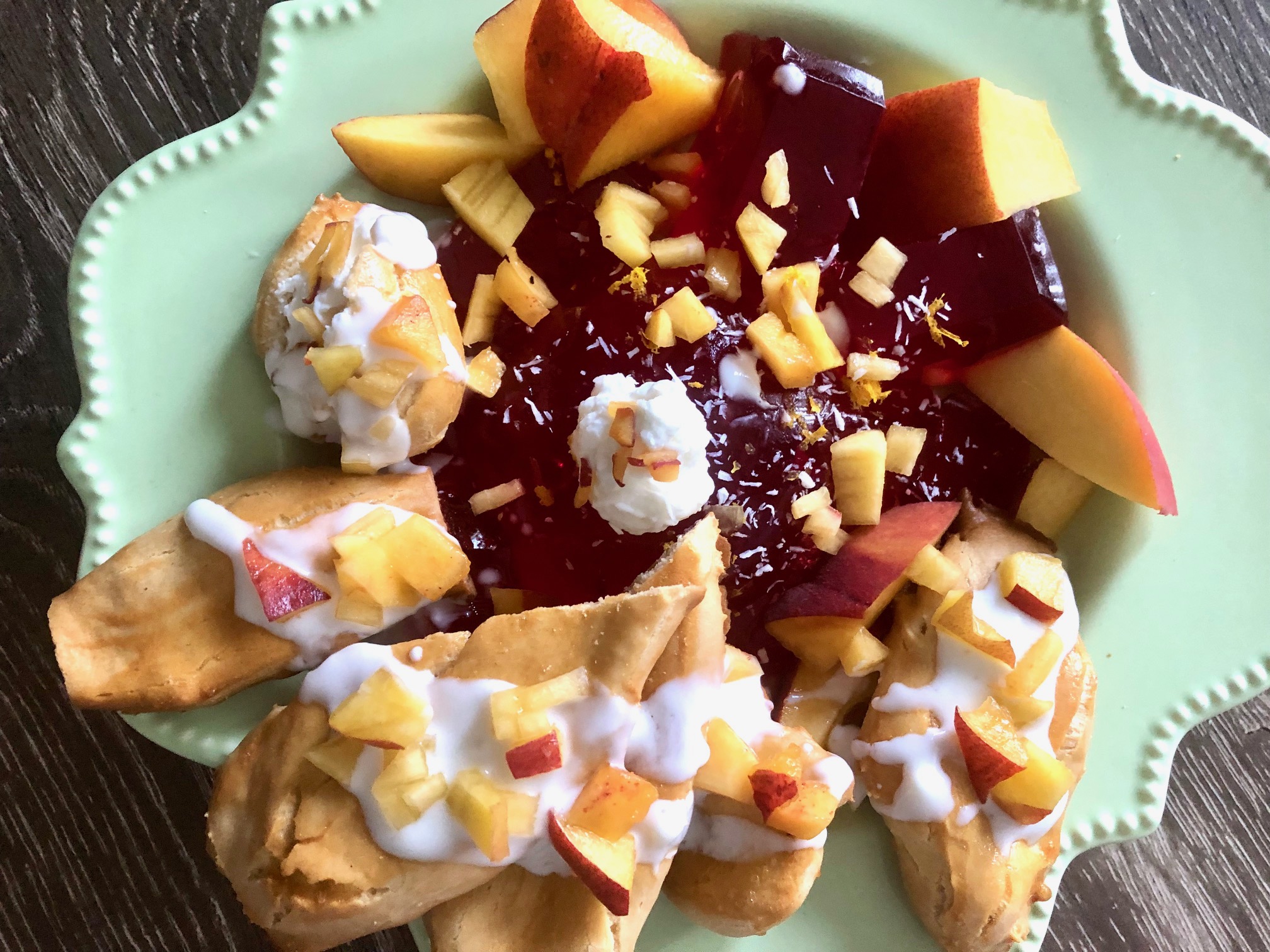
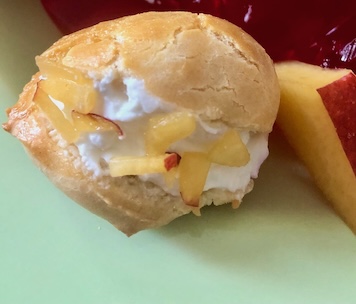
(Along with a little homemade ice cream sandwich love to cool things off the hot seasons we’ve been experiencing! ❤️)

Little things like these help to make up for this past week in food, where I couldn’t find common healthy grocery food list staples like bananas and milk. I shopped online on different days, but I can only imagine how empty the produce section must’ve looked.

…In other weeks, it was eggs, oranges, or meat shortages. And I’m sure you’ve seen similar, so it’s good to stay flexible these days!

It’s practical to stock up on some goods when possible, and especially if you want to save money and time from food shopping. Also be open to what’s abundant and on sale.

And if you want to make it quick out of a store, shop around the store perimeter where you also find the fresh healthy grocery food items. The aisles is where you can get lost a little.

Growing up, for healthy grocery food we had “gourmet foods.” I remember a test Gourmet Giant store near us. They had these great big barrel bulk bins lined up with every gourmet food you could think of. I was in food heaven as a young, picky food eater that’s pretty normal today for us in our modern 🌈 variety.

Back then, the idea of “organic” wasn’t popular yet, but gourmet variety foods like strawberry brie could be found (and probably worked on me as I went into catering planning years later when I had tasted the food possibilities early on 😋).

Food changes are a ‘lil fun (even though it’s a wee bit frustrating looking for specific items that you fell in love with that are discontinued).

But in the positives, you focus on other foods. Last year, I saw an abundance of Cara Cara oranges. And where you’re at, there could be other types or a new breed of organic strawberries as an example. That’s something to get excited about. 🤸‍♀️

Healthy Grocery Food Storage

But one thing that hasn’t changed is the freezer. A refrigerator is irreplaceable as there’s nothing else like it. When you’re young, it’s where you store happy ice cream and popsicles that sit in front of the frozen uncooked foods.

And freezers not only keep your food from spoiling but also preserve food so you can actually plan meals further out than one week. You can buy in bulk and not waste money.

And frozen veggies are a great way to always have low-calorie, nutrient-dense green foods around. You can always find occasions to use a frozen bag of kale or peas.

The fridge top shelf is your next coolest ally. That’s where the cool strawberries belong in peak season.

Morning strawberry quinoa cereal and light angel food cake are two ways I’ve been optimizing strawberry dishes…

That’s one fruit you don’t want to freeze if you want to keep them fresh and plump. 🍓

But for just about everything else 😉, optimizing your freezer for preserved food hacks is still one of the best grocery money-saving tips. Freeze bread, meats, smoothie fruits, and so many other healthy grocery food items.

You can freeze those extra tubs of yogurt and have frozen yogurt. Now that’s smart…and takes no prep work!

If you have ripe bananas, you can freeze them, so you don’t have to grocery backtrack (and that’s what I did in the banana shortage).

They’ll look frozen and scary brown or black in appearance, but they are good and taste as good in a smoothie, and even better in a baked banana bread recipe.

Just remember to prep the food before you freeze it. Like cut the bread loaf into slices, scramble the eggs, and remove the fruit peels.

7 Healthy Grocery Food Money Savings

✅Stay flexible with fresh and frozen produce. Sometimes the same items are abundant or about to expire and cost less than frozen items. And sometimes frozen items are less.

✅Stock up on some cans. Sometimes canned items are less expensive than other times. But I don’t sub fresh/frozen vs canned as they don’t usually translate the same. Such as, frozen or fresh peas are great, but canned, not so much. And canned beans are great, but frozen beans, well… we can move on…

It’s also hard to predict what will run out on the shelves, so you can keep some cans available that stack nicely, and free up your freezer space that’s in high demand.

You can also always find some happy mediums. Like applesauce works for many baking recipes instead of storing refrigerated apples.

And to save money, you can do an apples-to-apples comparison online where grocery is usually priced per ounce, lb, or count.

Shopping online makes this easy to do as you’re not distracted. And also so you don’t have to drive all over creation to compare costs between stores…

These days, that’s super smart as sizes have gotten smaller, so using basic quick math tools help.

Sometimes healthy grocery food store chains have found a way to be the lowest cost store for a specific food item you’re looking for.

One like Whole Foods you would think is more pricey is often less costly than other chain grocery stores on certain items. When there’s abundance, the goal of the store is to sell the abundance of produce as fast as possible to maintain top freshness, and competitive pricing is the best strategy.

✅Wherever you shop: one smart item to keep on hand is a shelf-stable milk substitute. Such as milk powder packages, nut milk cartons, and/or evaporated milk cupboard cans. They can come in handy for a recipe or shortage, and they last a long time.

✅Look for your holiday baking items after the holidays. If you look for pumpkin puree or chocolate chips online around the holidays, good luck. You may find them at an astronomical price.

You’ve probably already experienced that before (and today is a good time to start looking 👀).

✅Another option for fresh alternatives and self-sufficiency is growing your own garden greens, herbs, fruits, and veggies.

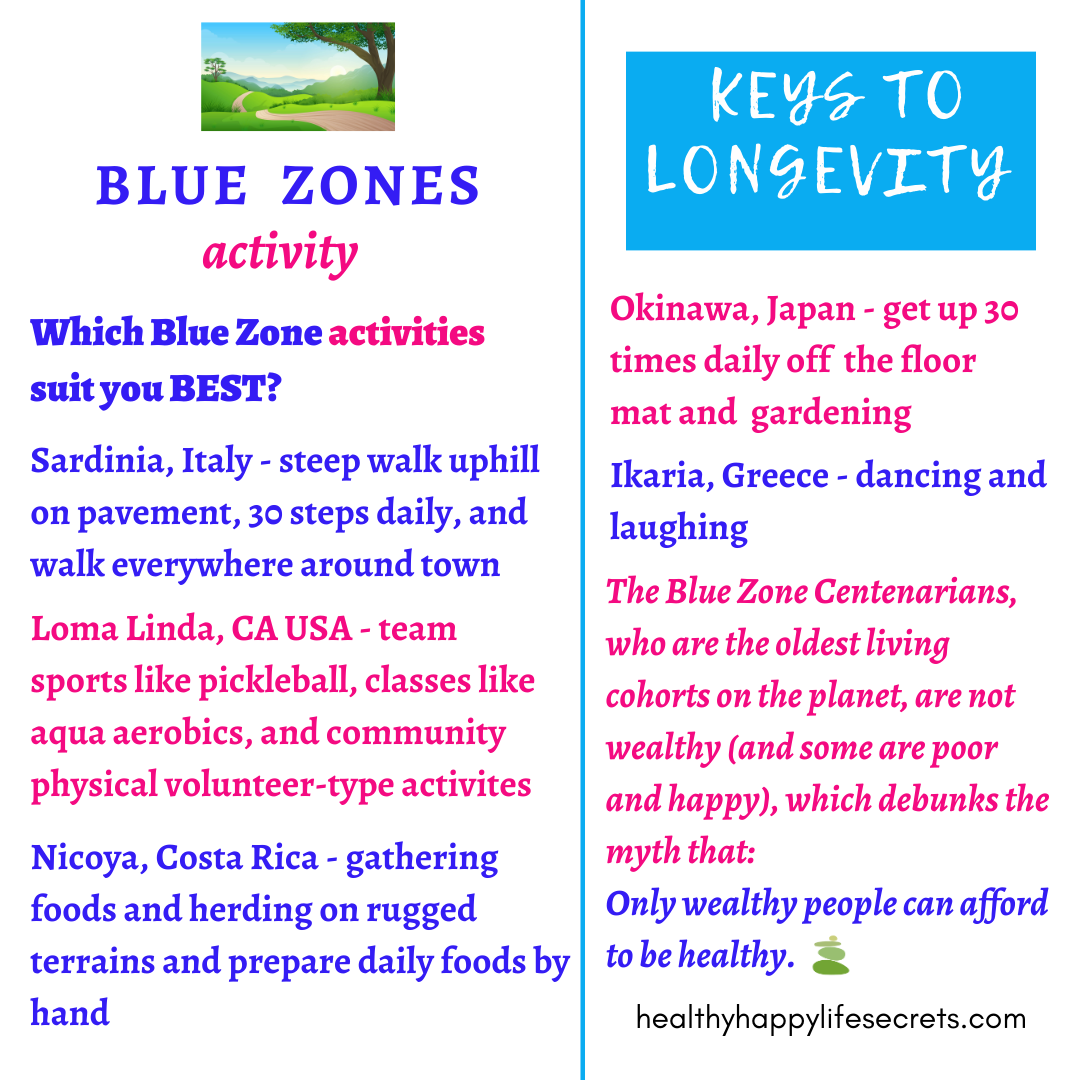
That’s what many of the American Blue Zoners do (in Loma Linda, CA) that we can learn from. These are the Adventist Health community-goers. They’re the largest group of oldest Americans that have celebrated 100 with flying colors.

But if you don’t plan to have a garden in the city or have a brown thumb, then you can still support those who do. You can get fresh  “in season” from a local farmer’s market stand where you shop.

✅Save at ethnic food stores that have cropped up everywhere metropolitan. And when you get curious about exotic foods, then you open your palate and become to variety that’s good for your gut. Ethnic grocery stores often carry more healthy ingredients. In America and other western world grocery stores, we tend to have an abundance processed foods staring us in the face and in the check out lines.

✅And finally, when you find one good item from a brand, search the brand itself as they rarely just stop at producing one item that you love.

They learn to leverage economies of scale, so they add more products to their portfolio. And then you can be a customer for life (or as long as their shelf life).

One that comes to mind, is a money-saving club like King Arthur flours for those who do a lot of baking. Then there are the local cost-saving clubs we all know that are packed any given weekend. I avoid those bulk places for many reasons. They’re warehouse-size for a reason.

And instead of jumbo stocking up on and eating the same items, you can switch it up. That pleases this Vata (…and maybe you too?)

You can find balancing healthy recipes here.

Glycemic Index, Vitamins, and Minerals (Vs. Diets)

Glycemic index is an anti-inflammatory measurement good to find a variety of healthy foods.

The first time I learned of the concept of a food’s glycemic index, I was intrigued by the idea of lowering blood sugar spikes as a healthy good food consumer, and a sugar lover at the time.

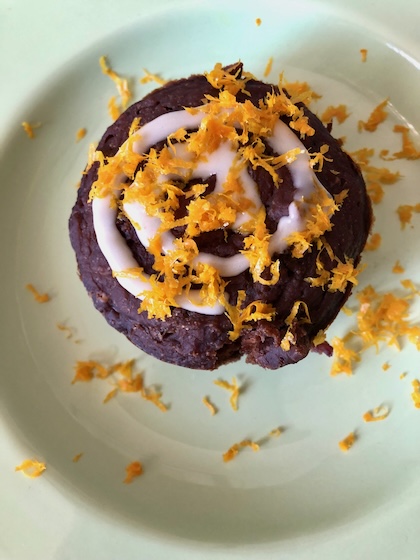
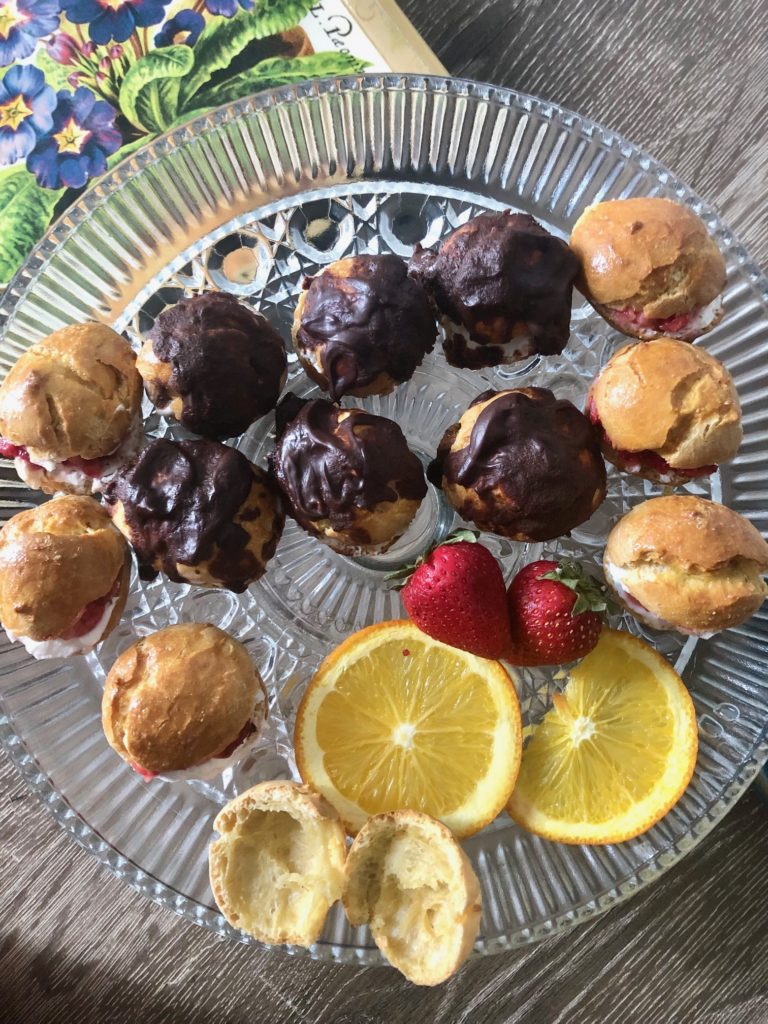
…And learning that dark chocolate (like that used in my baked dessert photo above) has a lower GI score than milk chocolate, puts a smile on my face. 😊

The opposite of… feeling hangry and light-headed energy with low blood sugar, that I’ve felt before too. And make GI talk relevant for so many.

Glycemic Index (GI) measures how food carbs affect blood sugar as a nutrition score indicator. It has been around for decades, but still isn’t a common household food tool used today.

But I DO think it will be a well-known future nutrition trend for 3 big reasons:

-Diabetes rates around the world are on the rise, and most cases we know are preventable through lifestyle changes (where food can have the biggest impact).

-Glycemic Index brings awareness to the order of foods you eat based on blood glucose spikes and glycemic response. And also how foods can impact inflammation.

-The growing mention of gut health in our modern news, and as we approach newfound scientific discoveries on gut-brain health. Progress being fueled by more data and scores.

There’s no shortage of healthy research progress that keeps us on our toes.

And yet, today the Glycemic Index is not even on the daily radar for most of us that consider ourselves health-conscious.

We’ll read the Nutrition Facts label and how many carbs are on a food package. Many of us pay attention to macros and calories. But we don’t consider the Glycemic Index score mostly because it’s not on the label, but is now on your map if it wasn’t before.📍

The tricky part is, GI scoring with accuracy is complicated.

Here are a few examples why…

If you eat unripened green bananas compared to the ripe, mushy ones that are preferred in a smoothie or banana bread recipe, the GI score improves.

Ah… and a banana has no Nutrition Facts label. A banana is a banana, and best to keep it simple.

Or if you eat a salad before the higher Glycemic Index ranked food item like a potato, then you can create a nice fibrous buffer cushion that your body likes. Then, if you eat the potato skin (cushion cover), even more so.

…But like with a bed pillow, people have different responses, so the scoring is different per individual. Each body keeps different scores.

But Glycemic Index info. (that let’s be clear is not available on a food package item today) would help us, consumers, to put relevance to the order in which we eat foods and what we choose to eat.

And bring awareness to us about what’s overall churning good in our gut from our internal healthy body’s perspective.

We’d make some better healthy food choices besides what our minds tell our taste buds we want.

And well… we would be better informed.

And that’s how progress works, as we’ve come a long way…

For me and those in my U.S. generation, the 4 basic food groups literally changed overnight to the Food Pyramid of 23 servings per day by the time we were young adults.

Without the internet, I learned this in school with many others. There was always some undesignated student who casually made big news announcements around the lockers during class breaks.

That was our modern social media news medium (post styrofoam cups with a string era). 😁

And that specific news was a massive dietary recommendation disruptor. The shock was the stark contrast, from basic eating to grazing on food all day like a cow chewing grass.

Adding convenience foods could be a solution just to fit in a serving about every 1.4 hours you were awake. You could eat 23 almonds as one serving… then you would have 22 servings left to go in other food categories. But then the other snag was, back then, nuts and all fats were put in the “eat sparingly” category. That was a ‘lil nuts. 🤪

So with all that stacked up against meeting new dietary goals, the health-conscious supplemented with vitamins. Organic foods weren’t popular yet, so food quality wasn’t as important as type of calories that are still important.

And diets existed back then, and they meant eating less and less fat to lose weight, that’s more or less like today.

And there were new (but different) diet fads coming out similar as today. Here today, gone tomorrow.

The Atkin’s Diet comes to mind as every year there’s a ridiculous hot dog eating contest, that’s anything but healthy.

Many diets in general for losing weight out there are health dangerous long term. They cut off calories and starve the body from essential vitamins needed to function.

And while they’ve changed, they haven’t solved the problem.

And makes you wonder…

Why haven’t diet plans gotten smarter?

The Diet Problem: Modern Diets Are Missed Opportunities

The word “diet” has two meanings regarding meal references in the English language. Going on most diets (eating less to lose weight) is often a missed opportunity for nutrients and healthy food calories. Elimination diets are ways to scale back that are meant for a season or a few weeks.

While eating a healthy diet is a positive way of looking at (enjoying) meals and energizing the body for life. So in one “diet” meaning, it subtracts (e.g. most food is bad); and in the other, it satisfies and sustains life.

The Solution: You can find a happy medium in eating less with a healthy diet and making healthy eating habits.

Because from our decade’s past diet lessons, we know yo-yo diets backfire as we eventually want the foods we tell ourselves we can’t have.

So, choosing one that isn’t long-term restrictive that works for your body and tastes is going to do you best.

Like no-rules vitamin-rich antioxidant foods and meals that can be dressed up with anti-inflammatory flavors and spices.

Because even healthy restrictive diets don’t always translate or work well.

Like a Paleo diet today doesn’t suit many of us like it did our ancestor’s generations. We can love a grandmother’s recipe, but their ingredients were processed differently than the same written ones today.

And earlier cavemen’s processes of cooking fresh quality meat over a fire from free-range sources is not the common feedlot mass production we have today.

Despite these lesser quality food process changes, food today is helping our generation’s lifespans because overall the nutrient-dense food options available to us help offset what our ancestors couldn’t get into their bodies.

They lacked sufficient vitamins that come from foods. And one good way to get daily needed vitamins is in complex carbs available comparatively abundantly to us these days.

So, cutting out minimally processed whole grains that come in a bag or box and that carry the most natural vitamins of grain options, is a healthy miss.

The point is, that many of the lose-weight diets today are trying to cut out most carbs.

Kinda like how nuts I mentioned above were once deemed as bad because they’re fat (and there was no healthy fat category), and now starchy carbs are marked as the bad calories.

When actually complex carbs give us energy and essential B vitamins we need for daily life and I think essentially undermentioned in today’s healthy conversations, along with the Glycemic Index ones that I started with.

Keeping foods like sprouted bread, quinoa, barley, tri-color pasta, and rice in the diet are good ideas. And some fit nicely in a pantry.

Plus, they’re good sources of fiber that’s helpful for any diet.

And provide often forgotten about minerals that work with vitamins to make you and I tick.

Vitamins and Minerals Smart Knowledge

If we only read the vitamin and minerals food label section on packages, we miss the opportunity to apply and reap food vitamin-mineral synergies that optimally keep the cylinder wheels turning in the body when they’re purposefully taken together.

If you’re curious about vitamins, minerals, and Glycemic Index and getting quick knowledge in those areas, they’re part of the anti-inflammatory food list.

And speaking of love, a sustainable, life-giving diet is a healthy approach to life (and to keep a consistent, year-round healthy weight if that’s another goal).

The best part is you get to choose from so many diverse and delicious healthy foods… AND they have anti-inflammatory protection benefits.

…So your relationship with food can’t be much better! I’m gonna pop some polyphenol-popcorn over that🍿

Plus, some common healthy foods are anti-inflammatory “super” foods that go beyond antioxidants and polyphenols.

They also have high protein, fiber, vitamins, and/or minerals that help the body function better in more than ways than just one.

To me and you (…maybe?) who is passionate about healthy eating, it’s a no-brainer choice to make anti-inflammatory meals.

And over the past couple of years, as I’ve been contributing to writing food articles for health and wellness publications, I can dig into new research and appreciate healthy food innovations on the horizon, which gives us more to look forward to in our future new world.

Look out for more super at 100 (Centenarian) secrets and evidence in our daily news.

Super Centenarians are living proof and our hope that it’s possible to live optimally in old age and not miss a beat with tasty-nutritional meals, so we can enjoy the moment.

They teach us how to spruce up their anti-inflammatory meals so they’re deliciously prepared and flavored with spices. They do more from their natural lands, with less.

Next time, I’ll share some good tips on how to save grocery money with healthy eating, especially with all the grocery food prices and availability changes (yikes!) impacting us all.