Butternut squash is a low histamine food that’s good for seasonal allergies.
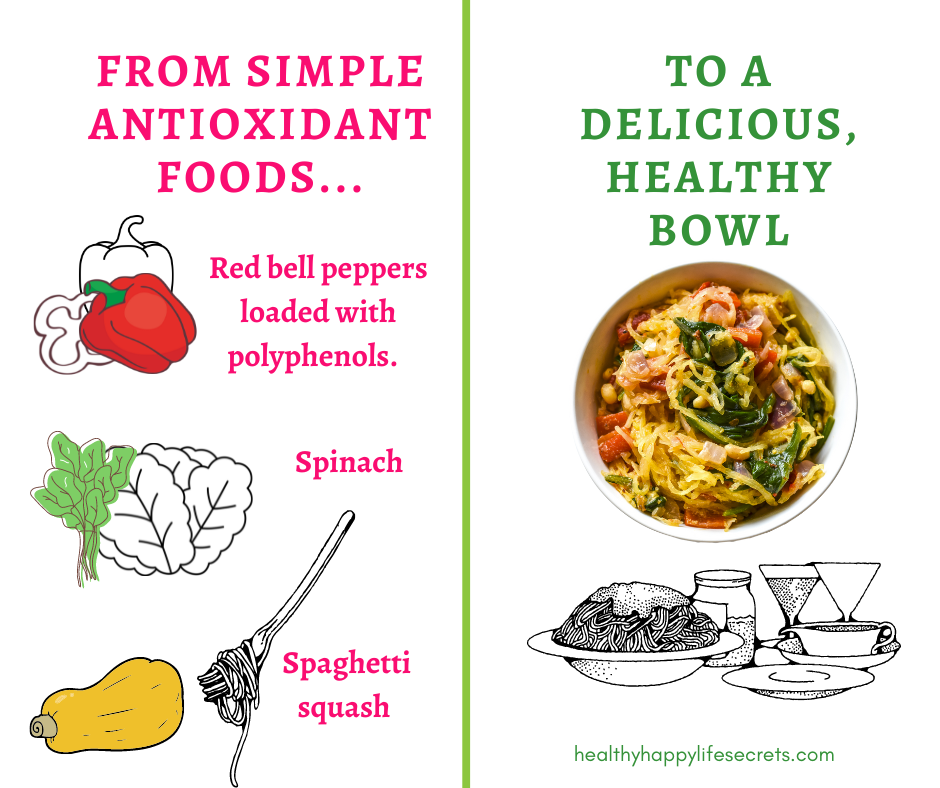
Food does make a difference and you can mix in your veggies and lean into more squash with spaghetti squash.
Often we ignore some produce foods in the grocery store, heading for the ones with marketing words and labels.
But the best seasonal foods (like butternut squash) and those for seasonal allergies don’t have ingredient labels. They don’t need them.
And they contain vitamins and minerals, and healthy food body benefits that are contained inside the food.
The PLU, color, and skin often give away what that can be.
But then there are other food benefits like low histamine that is underrated for seasonal allergies.
If seasonal allergies has got you, you’re in good company and I have a list of natural above-the-neck soothing tips below…
Before 2015, I never felt outdoor seasonal allergies living on the east coast. Now, they linger around year-round and I’ve learned to manage them… and maybe you manage yours.
Tree pollen (e.g maple, juniper, elm, oak, etc.) found in most U.S. areas is the main culprit for spring seasonal allergies that starts as early as February these days.

Allergies are your body’s annoying, but healthy response to your immune system working. 🌱
Reducing histamine can be the difference of low congestion, itching, aches, and digestive issues.
Sneezing is the body’s natural way to rid of allergens in the body, but some congestion days that doesn’t always work.
If that’s you, you can keep a black pepper tin nearby and peppermint essential oils are good to sniff and use in your steaming shower.

And when you’re indoors, stay further away from the open window if you’re super sensitive or keep the blinds semi-shielding.
These are 10 Tips For Seasonal Allergies:
✅ Change your clothing and take a shower as soon as you can or remember to. The steam will help you feel better faster. A night shower will help especially if your seasonal allergies feel worse in the afternoon or evening.
✅ Weekly, use a neti-pot to clean out nasal passages. This helps you get some relief naturally and prevents nasty sinus infections and your taking unnecessary antibiotics. That’s probably the best tip I can give you! Water is your friend away from pollen.
✅ Also, use a natural saline nasal spray to clear your nose as needed e.g. 2-3x per day for relief. Look for grapefruit seed extract with microbial properties that help prevent bacterial, viral, and fungal infections.
✅ Use a free-standing daily air filter machine with a HEPA filter for pollen (not just dust). Pollen kicks up in the afternoon and evening so it’s good to have the machine cranked up while you’re sleeping.
Change your house air filters as needed and vacuum the filters regularly as they will work better dust-free.
✅Use a desk humidifier or have one set in each room. Moisture like this works especially well during spring allergy season.
✅ Keep eucalyptus or mint oil essential oil drops close at hand. They work well in the steamy shower. You can put a few drops in a small vessel of water and sniff. Unlike a nasal spray, the oil drops don’t enter directly into your nose.
✅ For foods, add fresh horseradish or spicy wasabi that’s great for clearing nasal passages. Also increasing Vitamin C and bromelain helps. Pineapples are a good source.
Disappointingly, local honey doesn’t work the way that maybe you hoped it would for seasonal allergies.
Honey comes from flowers, and tree pollen comes from trees so there’s no cross-pollination… or an ex-pollinating effect that would be helpful for spring seasonal allergies.
But raw honey is a good natural sugar substitute and a natural humectant that when topically used on the skin help prevent dryness and other light skin inflammations or itches.
Honey also has other “anti” properties that are good for you… antioxidant, anti-bacterial, and anti-fungal.
✅ Keep up your vitamins and minerals, especially Vit C, D-3, Calcium, Zinc, etc. Butternut squash is loaded with Vitamin C and A. And a tropical fruit smoothie is a great way to help soothe seasonal allergy symptoms.
✅ Drink teas. You can try a good green matcha tea or black tea (Vata preference) early in the day and then switch to decaf/herbal teas in the afternoon. You can do decaf all day if you prefer.
✅ Keep eye drops close by for dry eyes. You can wear blue-light-blocking glasses, so you don’t have to strain on devices that worsen dry eyes (and they help you sleep better).
✅ Keep cough drops nearby, in case you get a dry or itch in your throat. And menthol cough drops help to open up passages.
Seasonal allergies don’t have to be the daily annoyance that runs your life. You can have a much smoother season if you stay informed.
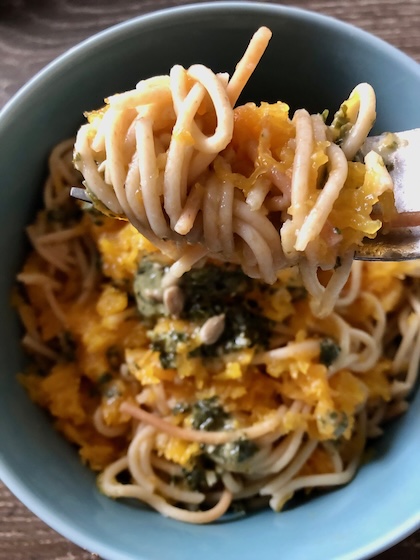
✅ And finally, bring in more healthy anti-histamine foods such as bell peppers, squashes, and eggs. You can incorporate a butternut squash spaghetti recipe that you can blend with regular egg pasta or spaghetti squash. 🍝
For more weekly healthy tips, visit healthyhappylifesecrets.com
Butternut Squash Spaghetti
Ingredients
- 1 box spaghetti, whole wheat or spaghetti squash
- 1 butternut squash
- basil leaves or pesto sauce (optional)
Instructions
- Cook (or bake) your spaghetti or spaghetti squash.
- Cook your butternut squash to soft.
- Mix with your spaghetti.
- Add a basil or pesto sauce (basil and olive oil) to enhance (optional).