
How to pack for hiking so you’re happy on your trails is easy when you have a list. Below is everything you need to prepare for your happy (no worry) day hikes that can be full of nature surprises on new trail adventures…

…Like a trail full of rocks.
Tip #1: bring a plastic water bottle, as in one you don’t mind losing. I left one behind when I tripped over a tree root or small rock.
With nature’s course, you can’t predict what you’ll run into (literally!).
And instead of back tracking, you can keep trekking if you lose your bottle or anything else replaceable.
So around the mountain loop, I happily kept going. And as the weather changed which is par for the nature course.
Happy hiking is all about knowing that you’re self-contained and intact, so you have nothing to worry about when you start your adventure.
…Where you’re foolproof and light.
…And wearing comfortable gear.
When you’re back packed with the lightest of items, you’re free to swing your arms, and enjoy nature and your sport the most.
So a front fanny pack for your things is not what I’d recommend.
Because what happens is your weight is distributed to your front that makes you hunch over if you carry everything in there (like a water bottle). And that’s not good for long and distance hikes, over your body long-run.
A cross-over wallet bag is better to distribute weight or to carry your keys and light items.
Plus a backpack, or just a backpack (if you have pockets on you). It’s built-in reversible, as you can always wear the back on the front.
And some have side water bottle holders, so you don’t have to go inside the bag to take a sip of water.
One good tip is you don’t want to fill up your day backpack.
You want to leave room for any layers of clothing you take off and so you can move around without extra bulk and weight.
Sometimes you have to duck fallen branches and jump creeks.

Find a backpack with at least a couple zippered pockets. See below the how to pack for hiking checklist and what to pack in the backpack. A waterproof backpack is good for spills, but not a must. One that suits your personal needs is better.
And zippers are key as I tested tying a ribbon to a bungee cord on me, and it came off without my knowing. Imagine if that were something important (and not just a tying ribbon).
Even bright color, you may never see it again in nature. So count on easy fasteners and zippers.
Zippers don’t take up much space and are good on clothing items too.
You should wear at least one long sleeve top for changes in weather, but also to stay covered. Not just from mosquitoes…
Reminder: There are ticks in nature and if you wear short sleeves and shorts, you’ve been warned. It’s not uncommon. You probably know a person or two who had been bit and paid a health consequence. Don’t be that person.
Also, you could brush up against some twigs that clothing and long sleeves protect you against.
How to pack for hiking clothing:
Minimum: long sleeve top(s), pants, socks, and hiking shoes (grips on soles are especially helpful for mud). Wearing several light layers including workout-type wear allows you to take off clothing as the daily temps change.
It goes from colder weather before noon to the warmest part of the day.
Finding cool-warm alternatives like high wool socks, light cotton pants and thin breathable cotton shirts. Cotton and breathable materials can be harder to find vs. polyester blend of sorts, but you can find if you research and look around.
Another Tip: always look at materials in a fabric before buying. I do this, just like I look at all the ingredients in food. 😊 Don’t be captivated by the marketing big bold words, as it’s sometimes very different than the fine print.
Some have minuscule label tags that need-a-magnifying-glass to read. And if that’s not easy, ask someone or teach your kids to do that and to tell you what they see when shopping (or take a photo and blow it up).
When it’s colder out, pack or wear a down jacket, hoodie, or outdoor vest. The puffery can be compacted into a small bag (or you can tie around your waist). Also wear on you, gloves and scarf that are easy to zipper up or tie somewhere.
It’s windier in the mountains than outside your home. So it’s wise to have a weather expected-appropriate head covering besides a ball cap. That could include a winter cap (under 50°F/10°C) and/or a bandana for warmer (85°F/ 30°C weather).
And wear UV-protected sunglasses, and bring along a pair of UV-regular non-tinted glasses if you need them (for when the sun isn’t out). Hiking trails are often more shaded.
And always wear some sunscreen even if it’s cloudy or winter sun.
And for equipment, along with your tracking miles apps, bring your phone. If you ever need help, you can turn on your phone in airplane mode and use the SOS feature. And if you run out of phone charge or the phone doesn’t work in the mountains, think about what would be smart to pack on you. Think like a 5th grader: remember what you learned in school and science class about freezing is below 32°F/0°C.
…Or you learned about how a mirror reflects light. With a mirror and the sun you can create smoke and light. And if nobody told you before, the sun sets in the west and rises in the east, so you can figure out what direction you’re heading in on a sunny day without your working devices. Your brain is your sharpest tool.😊
Along those lines of emergencies, carry some form of printed ID on you even if it’s out of date. Keep those with your necessary keys, if applicable in a zippered pocket on your clothing body. You never know if you can get separated from your back pack. I was a catering planner and we always learned to plan for the unexpected.
And then after you’re packed, you’re all set!
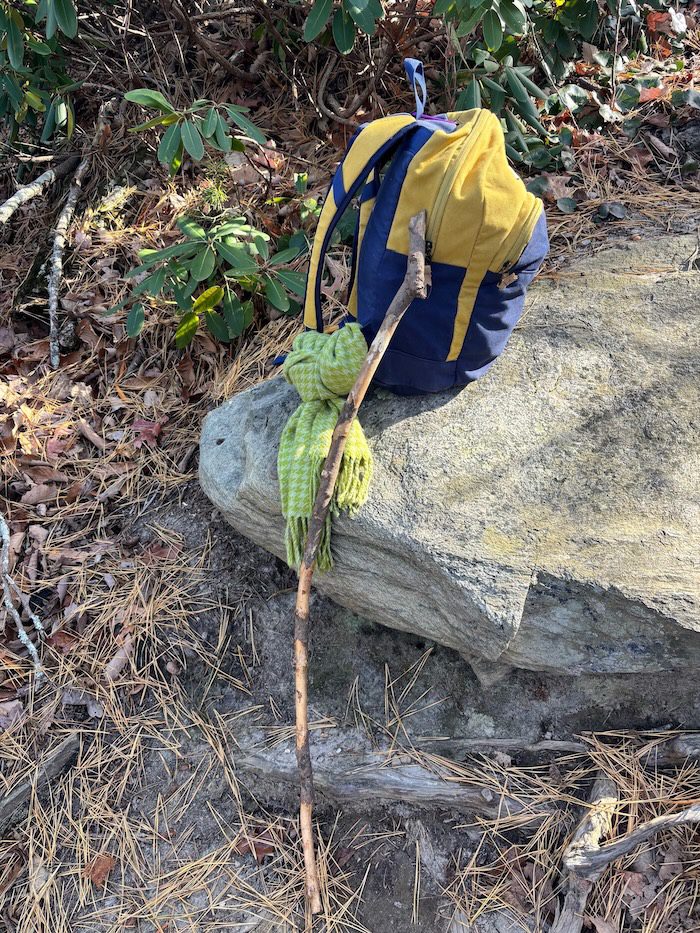
In your backpack, here’s how to pack for hiking (for your foolproof day hikes):
-face and body sunscreen/lip sunscreen (30 or higher)
-water bottle or two
-ball cap for warm weather or winter head covering
-plastic bag (you never know when it will come in handy!)
-paper towel
-small cloth towel
-moisturizer/hand lotion/aloe in a ziplock bag
-hand and body wipes
-snack (nuts, whole fruit, dried fruit, and bars make good energy snacks). Whole fruit is good for hydration and for not having to take a sip of water.
-anything you need in case of an emergency (medicine, extra socks, etc.). Emergency is anything that you personally sensitive to! If you’re someone who gets low blood sugar easily, bring a sweet snack like chocolate or no-bake Rocky Road energy bar if it’s cool outside.
And with this how to pack for hiking printable list, you’re all set…
Happy trails! 🥾
How to Pack A Back Pack For Day Hiking
Ingredients
- 1 face and body sunscreen/lip sunscreen (30 or higher)
- 1-2 disposable water bottles
- 1 ball cap for warm weather and scarf, or winter head covering (check weather the day before)
- 1-2 plastic bags (you never know when it will come in handy!)
- 1-2 paper towels
- 1 small fabric hand towel
- 1 moisturizer/hand lotion/aloe in a ziplock bag (in heat items expand)
- 1 face and body wipes (for hands too!)
- protein and healthy-easy snacks (nuts, whole fruit, dried fruit, and bars make good energy snacks). Whole fruit is good for hydration and not having to take a sip of water.
- anything you need for an emergency (medicine, phone, etc.)
Instructions
- Before your hiking day, check the expiration of your sunscreen and replace anything old.
- Pack the day before so you can grab your backpack and go.That way you can ensure no key zippers or anything unexpected needs repair or replacement. This applies to your clothing too.
- Check the weather the day before. If it's predicted to be below 50 degrees at any point of the hiking day, pack and dress in layers like it will be cooler.